

When to visit Svalbard
While Svalbard may be an almost year round destination, the changing weather, number of daylight hours, amount of ice and snow conditions through the year all have a marked effect …
Discover More
We woke up one morning surrounded by 30-50 whales – humpbacks, fins and a blue whale in the distance – it was an incredibly privileged and moving experience witnessing these mighty leviathans at close quarters.
Nardus Erasmus Arctic Sales Specialist
Special Offers:Swoop has access to the widest range of offers and can help you find the right trip, cabin, & price.

Circumnavigate Spitsbergen on board on a comfortable expedition ship and in the company of specialist guides. Travelling on a smaller ship allows you more time to explore, and some late-season departures benefit from stunning autumn light. Ask about special guest…

This popular introduction to Svalbard is keenly priced and, with numerous early season departures, guarantees plenty of ice. Sail onboard one of the newest ships in polar waters and spot bears from the plentiful deck space. Optional kayaking and hiking…

Travelling at the height of summer, this trip is the longest of any Svalbard cruise and offers the best possible conditions for thrilling wildlife encounters. Your circumnavigation of Spitsbergen includes huge glaciers, epic bird cliffs and ice-choked channels. Plus, there's…

Maximise wildlife sightings with the chance to circumnavigate Spitsbergen island. Search for walrus, arctic fox, whales and of course the ‘King of The Arctic'. Sail through the Hinlopen Strait and visit abandoned trapping stations and experience glaciers up close all…
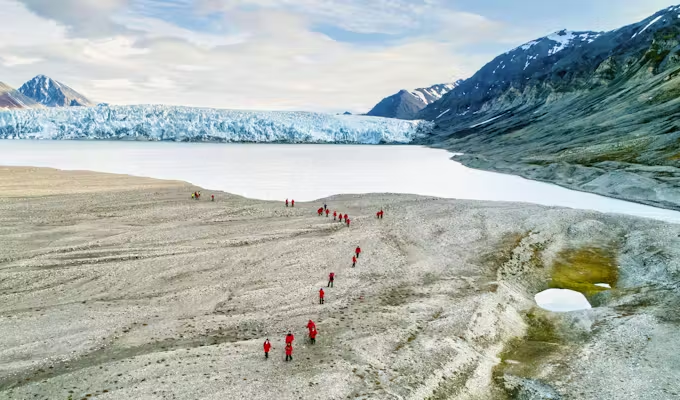
Travelling in luxury aboard an outstanding expedition ship, we love this trip for its unusual combination of Svalbard and Norway’s northern tip, plus its focus on top-notch service and cuisine. After a hassle-free flight from Oslo to Svalbard, spend seven…

An intimate summer expedition circumnavigating Spitsbergen on a 12-guest micro ship. Feel connection to nature, with a sense of solitude and scale, which is harder to find on larger ships. Explore rarely-visited islands, glaciers and the polar desert in search…

Truly escape the modern world and explore Svalbard on board a schooner. Sail north through the melting spring ice, spot wildlife and learn about the archipelago’s rich history. Highlights include the Monaco Glacier, 17th century whaling settlements, close encounters with…
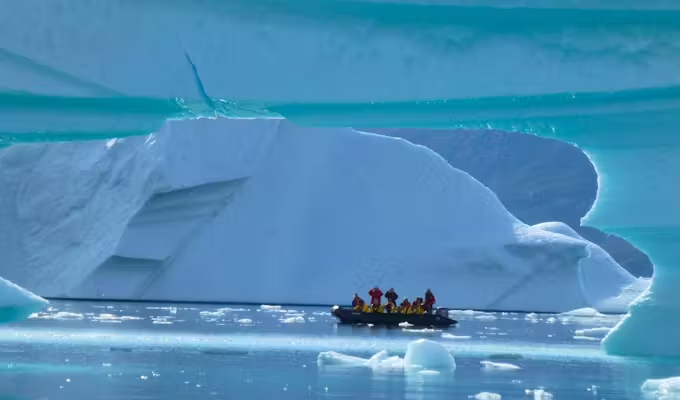
Introductions to the High Arctic don’t come much better. Traverse wildlife-rich Svalbard via East Greenland’s towering icebergs and autumnal tundra, then continue on to Iceland. Aurora sightings are possible at any point.…

Delivering a whopping 12 full days of exploration under the midnight sun, this voyage appeals to both wildlife enthusiasts keen to boost their chances of sighting Svalbard’s captivating fauna and the slow traveller who wants to get under the skin…
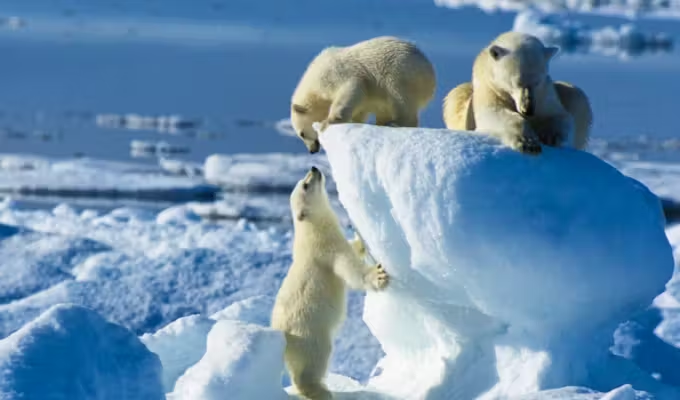
Scouting Svalbard’s ice floes for wildlife by zodiac and on foot, cruising the magnificent 14th of July glacier and reaching the world’s most northerly settlement at Ny Ålesund are just some of this 10-day voyage’s many highlights. There's also the…

Experience the Arctic’s legendary wildlife aboard an intimate micro expedition ship, amidst a pristine backdrop of calving glaciers, and snow-capped mountains. With an unmatched sense of ‘expedition’ and a deeper connection to nature, you build your own adventure, searching for…

Beluga whales
Whales journey to Svalbard in the late spring from May through to the autumn when they return to warmer waters to give birth to their calves.

Watching whales from a zodiac
Often, whales are spotted briefly from expedition ships, and when the whales are feeding, and relaxed, they may stay in place for an hour or more. Typically, expedition ships will stop for the best whale sightings – even if that means missing another activity.
When travelling on zodiacs near to glacier fronts, Beluga whales particularly can be spotted, and guests can marvel at these fascinating white whales with their perennial ‘smirk’.

Blue whale
As expedition ships exit Longyearbyen and sail out to sea past the southern end of Prins Karls Forland these - the largest of all animals - can be seen as they fill up their bodies in the fertile northern waters.

Fin whales
The second largest whale species, Fins are the fastest species of cetacean. Their dark colouration differentiates them from their blue cousins, although the two can interbreed.
The continental shelf to the north of Spitsbergen close to Moffen island is a place where this species is regularly seen in July and August.
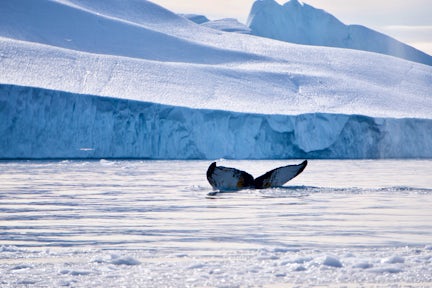
Humpback whale among the ice
Large and active, the Humpback is a species that has recovered most rapidly following the end of the whaling industry.
Jumping from the ocean – breaching, tail and fin slapping is common in the younger whales. Tail patterns are unique to each individual and are followed by many researchers worldwide on sites such as Happywhale.com.
With the largest cetaceans often spotted on the continental shelf while others near to the archipelago’s glacier fronts, Svalbard offers fantastic whale sighting opportunities - so keep your eyes peeled.
Alex Mudd Head of Swoop Arctic

Minke whale
Fast-swimming and rare to jump from the water, Minke whales are the most populous in the world’s oceans.
Having said that, they are rarely seen for long. They are shy whales but when they are friendly they can spend many hours around their favourite vessels.

Viewing belugas from the boat
Unlike many whale species, Beluga are only seen in the Northern Hemisphere. Svalbard is home to thousands and whilst these whales were hunted here into the middle of the 20th Century, their numbers remain strong.
Belugas echo-locate to the shoreline and glacier fronts and are regularly seen in the fjords of Svalbard.
Our ships adhere to AECO guidelines on watching whales respectfully, by keeping a safe distance and letting them carry on with their activities. However, if the whales are curious and approach, they can get amazingly close.
While Svalbard may be an almost year round destination, the changing weather, number of daylight hours, amount of ice and snow conditions through the year all have a marked effect …
Discover More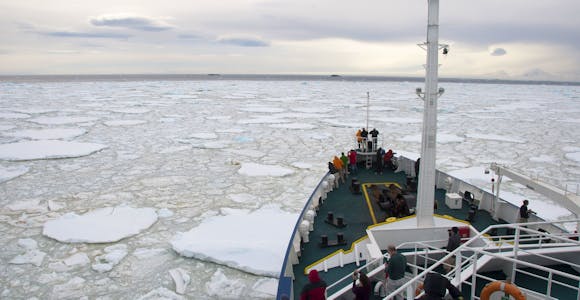
Halfway between Norway and the North Pole, Svalbard distils the best of the Arctic into one remarkable archipelago. In high summer, largely ice-free coastlines reveal calving …
Discover More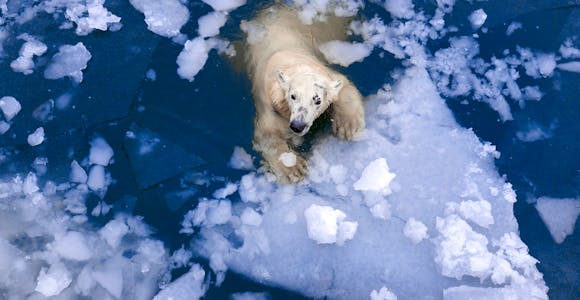
At the height of summer when wildlife populations and activity are peaking on Svalbard, there are few other parts of the Arctic which offer the same combination of easy access and …
Discover More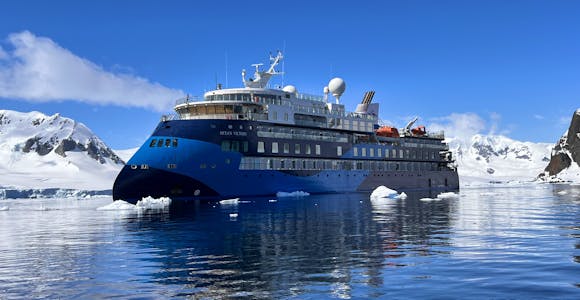
In the absence of hotels, exploring Svalbard by ship provides unparalleled access to the archipelago's remote coastlines and icy fjords. Due to its popularity, Svalbard offers the …
Discover More