Polar Bears
The Arctic's apex predator, polar bears have evolved to be highly adapted to their harsh environment. From their ears to their claws, almost every feature of these captivating …
Discover More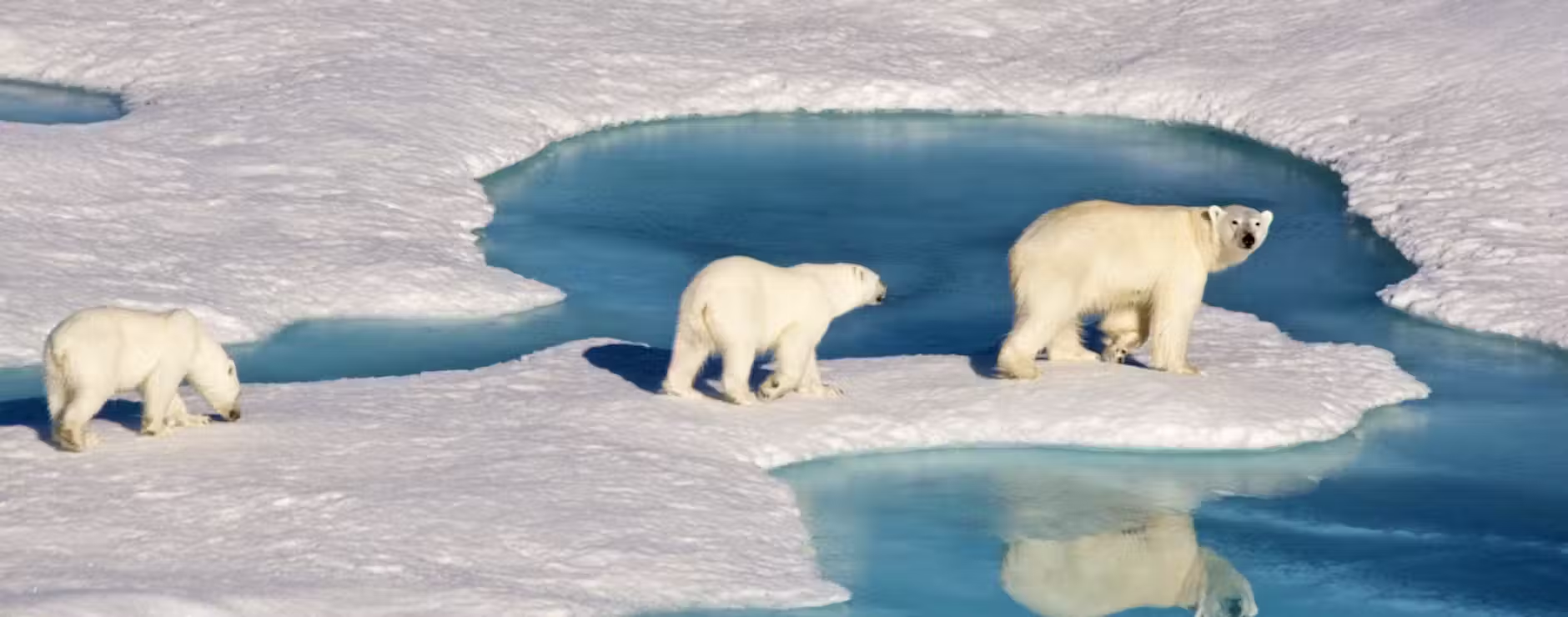
The bears actually look quite vulnerable when you see them spreading their weight to walk on thinner patches of ice, but when you see them hunting you get a real sense of their power.
Alex Mudd Head of Swoop Arctic
Special Offers:Swoop has access to the widest range of offers and can help you find the right trip, cabin, & price.

This popular introduction to Svalbard is keenly priced and, with numerous early season departures, guarantees plenty of ice. Sail onboard one of the newest ships in polar waters and spot bears from the plentiful deck space. Optional kayaking and hiking…
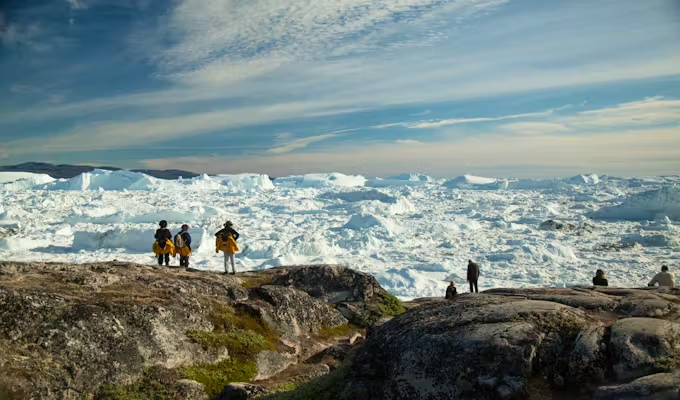
Spending time exploring Canada’s historic Northwest Passage and West Greenland, we like this voyage’s balance and variety as much as exploring little visited spots such as Thule, one of the northernmost towns in the world, and Smith Sound. Big ice,…

Truly escape the modern world and explore Svalbard on board a schooner. Sail north through the melting spring ice, spot wildlife and learn about the archipelago’s rich history. Highlights include the Monaco Glacier, 17th century whaling settlements, close encounters with…
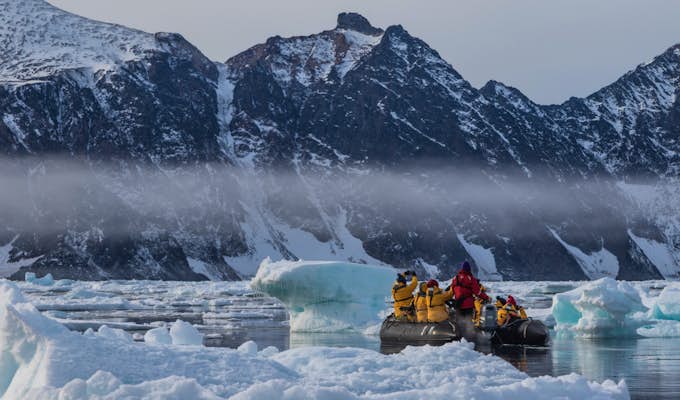
This comprehensive westbound voyage stands out for its compelling combination of West Greenland, the east coast of Baffin Island and the historic Northwest Passage. Jaw-dropping scenery, towering icebergs, thrilling wildlife encounters, Inuit community visits and fascinating history pervade this epic…
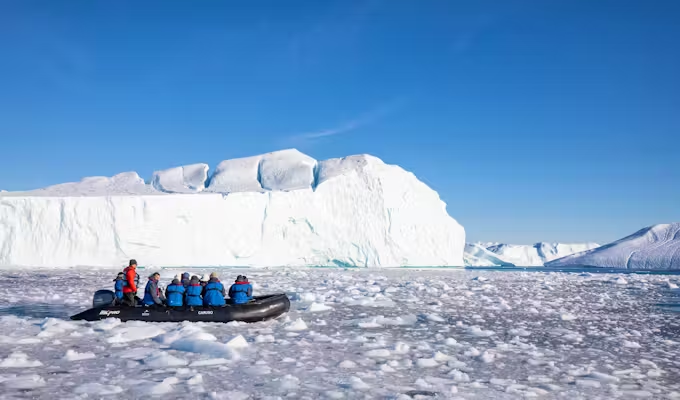
Beginning in Cambridge Bay, this westbound-arching route encapsulates the best that the Northwest Passage and West Greenland have to offer. Thread your way through the icy labyrinth of staggering landscapes, dramatic history, remote Inuit settlements and charismatic Arctic wildlife, with…

Maximise wildlife sightings with the chance to circumnavigate Spitsbergen island. Search for walrus, arctic fox, whales and of course the ‘King of The Arctic'. Sail through the Hinlopen Strait and visit abandoned trapping stations and experience glaciers up close all…

Travelling at the height of summer, this trip is the longest of any Svalbard cruise and offers the best possible conditions for thrilling wildlife encounters. Your circumnavigation of Spitsbergen includes huge glaciers, epic bird cliffs and ice-choked channels. Plus, there's…
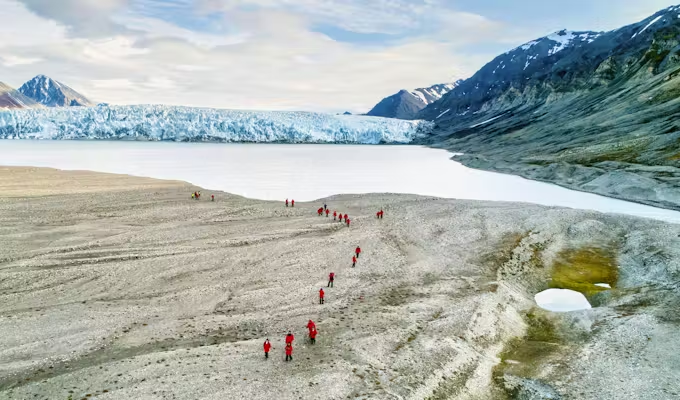
Travelling in luxury aboard an outstanding expedition ship, we love this trip for its unusual combination of Svalbard and Norway’s northern tip, plus its focus on top-notch service and cuisine. After a hassle-free flight from Oslo to Svalbard, spend seven…

Circumnavigate Spitsbergen on board on a comfortable expedition ship and in the company of specialist guides. Travelling on a smaller ship allows you more time to explore, and some late-season departures benefit from stunning autumn light. Ask about special guest…
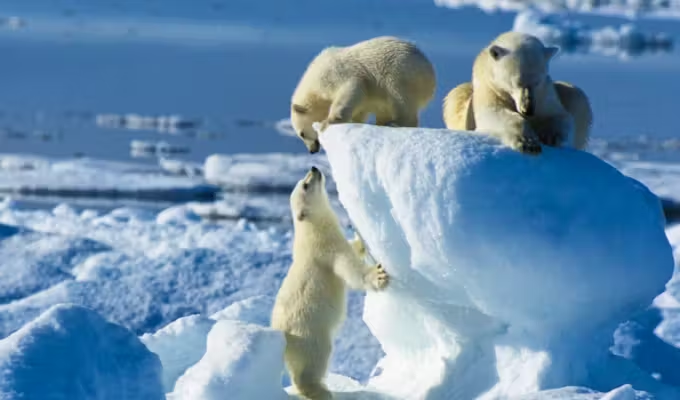
Scouting Svalbard’s ice floes for wildlife by zodiac and on foot, cruising the magnificent 14th of July glacier and reaching the world’s most northerly settlement at Ny Ålesund are just some of this 10-day voyage’s many highlights. There's also the…

Explore the fjords and ice of Svalbard keeping a close watch for polar bears onboard an exceptional expedition ship. Spend time on deck, on land and in zodiacs with the hugely experienced guides learning about the history, geology and wildlife…
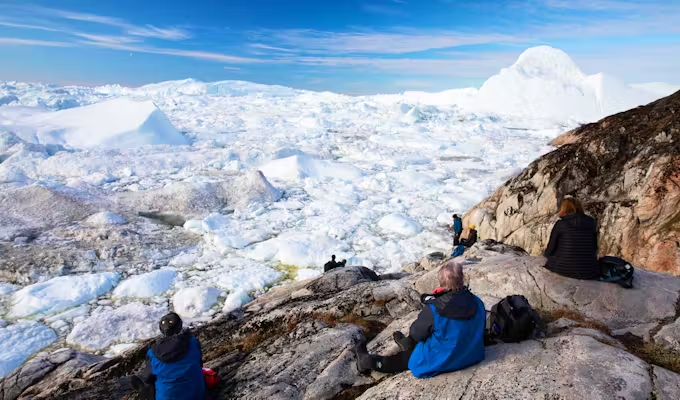
A full transit of the Northwest Passage is a truly epic undertaking, travelling in the footsteps of legendary explorers Amundsen, Franklin and Larsen. This voyage is distinguished by the small, nimble and comfortably appointed expedition ship you'll travel on, with…
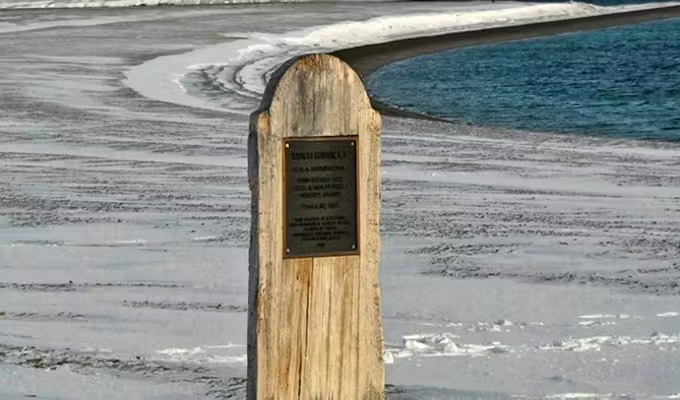
The big ice and small towns of West Greenland provide a stunning start to this trip before you sail across the Davis Straight to Baffin Island and enter the Northwest Passage. Blend history, scenery and wildlife; pay your respects at…

Traversing west to east this voyage takes you to iconic sites such as Cambridge Bay, Lancaster and Smith Sounds and Ellesmere Island, before exploring the fjords and towns of West Greenland. Bears, narwhal, musk ox, beluga and northern lights are…
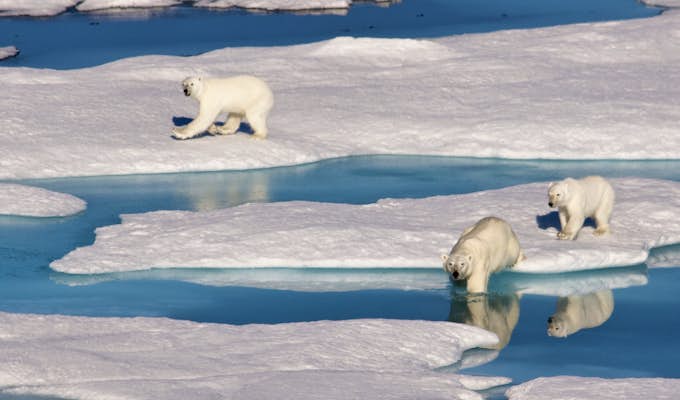
In the labyrinthine icy channels of the legendary Northwest Passage, explore the islands and channels that form Canada’s High Arctic region. Meet local indigenous people, encounter enigmatic Arctic wildlife – including walruses, beluga whales, polar bears, musk oxen and the elusive…
Special Offers:Swoop has access to the widest range of offers and can help you find the right trip, cabin, & price.
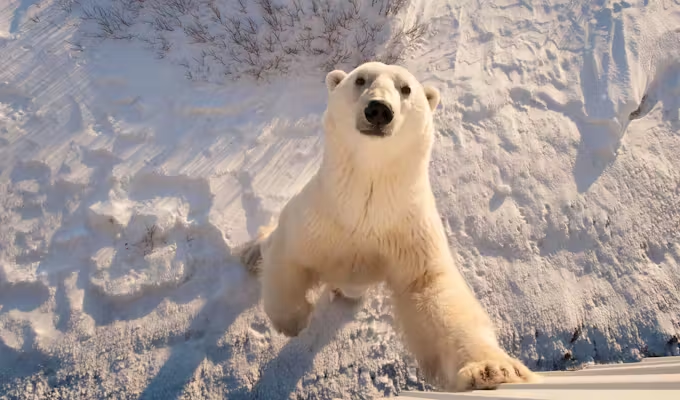
Encounter the King of the Arctic up close, with an exceptionally high chance of sightings in October and November. Small groups explore the tundra in exclusive vehicles with a specialist guide when the bear migration peaks. You'll also learn about…
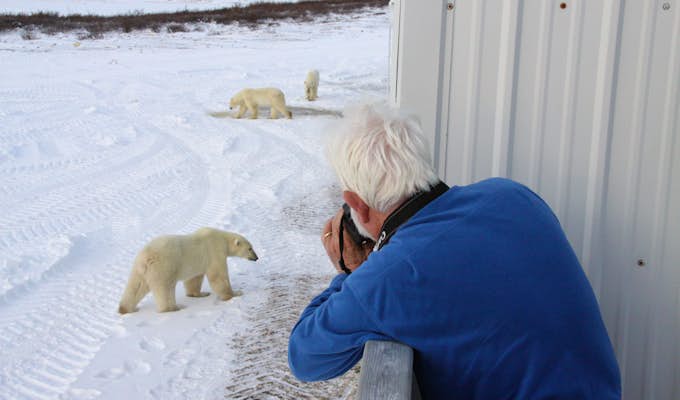
Imagine waking up on the tundra in a mobile hotel with the very real chance of there being a bear outside your window! This trip offers the best of both worlds with two nights on the tundra and two in…
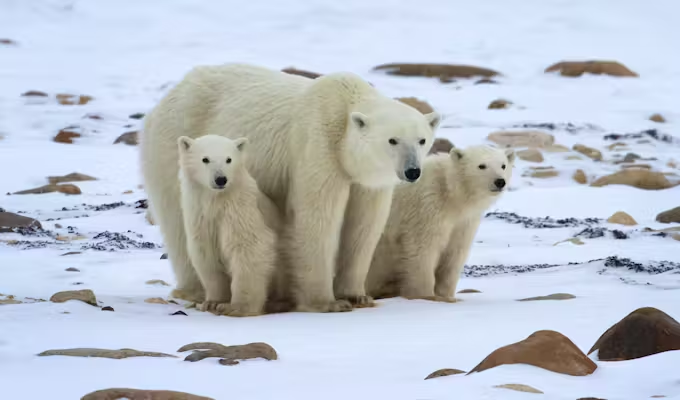
Experience one of the most immersive wildlife experiences on earth and stay out on the tundra among the bears for three or four nights in a mobile hotel provides unparalleled opportunities for prolonged observation of polar bears at close quarters…
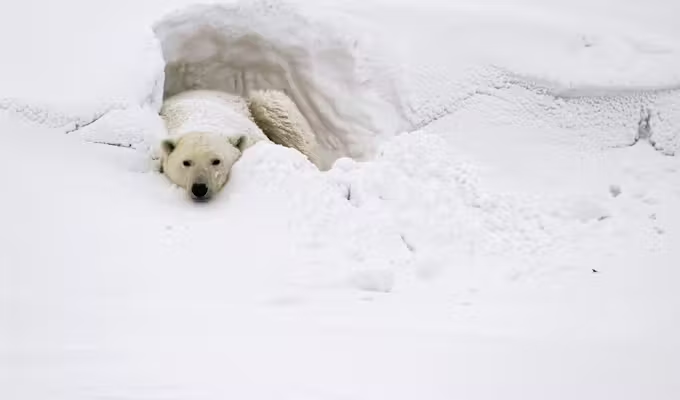
This polar bear photo safari provides the best possible opportunity and environment in which to capture images of the world’s largest living land carnivore. Three full days out on the tundra, near guaranteed sightings and the chance to observe these…
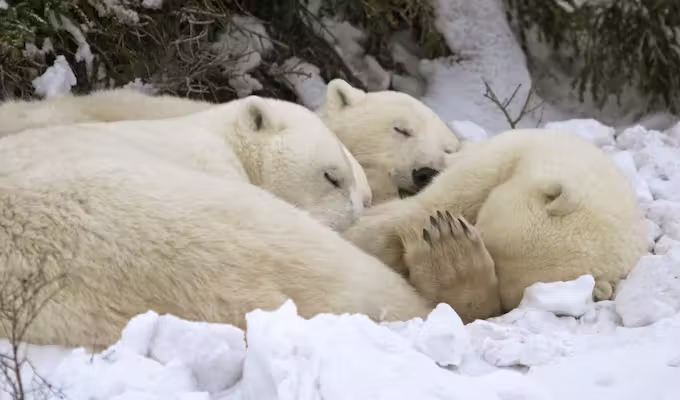
For the ultimate polar bear and High Arctic experience, look no further. Two full days of polar bear spotting are combined with dog sledding, flightseeing by helicopter to a bear’s denning site and the chance to see the shimmering Northern…
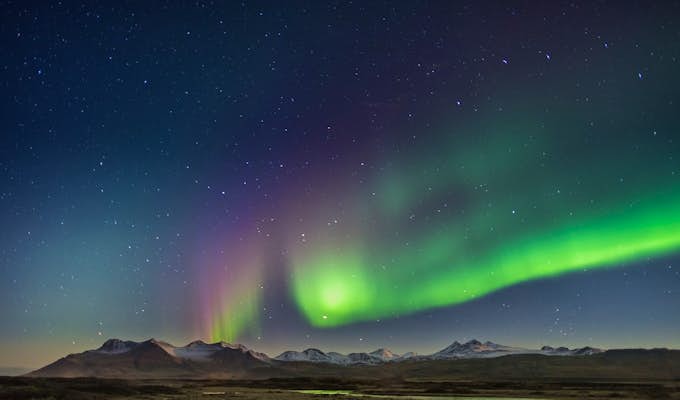
Winter in Hudson Bay is cold but also very dry and that means clear skies and at this latitude that is perfect for spotting the northern lights from a variety comfortable, heated viewing platforms. Day time activities include dog sledding…
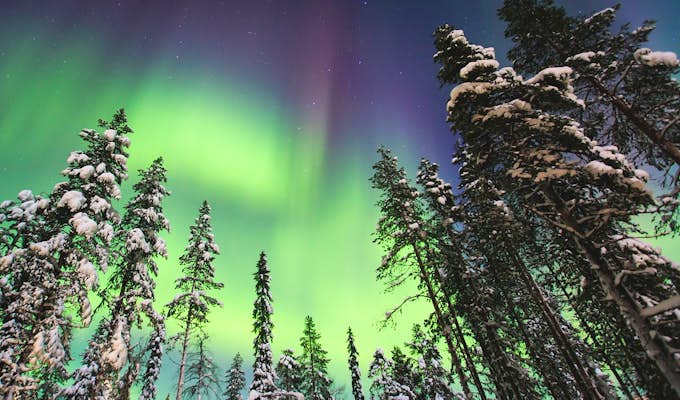
Head north to Churchill, renowned for its high auroral activity, and capture images of the ethereal Northern Lights. Accompanied by an expert photographer, evening aurora sightings are maximised using multiple, heated vantage points while you wait in anticipation. By day,…
Svalbard shines and sparkles during the early season, creating stunning backdrops for photography enthusiasts.
The ocean surrounding the archipelago is brimming with life as walrus, whales and breeding birds return in their millions.
The break-up of ice allows expedition ships to explore Svalbard's dramatic coastline, while the midnight sun affords plenty of opportunities to get behind your binoculars and search for the great white bears.
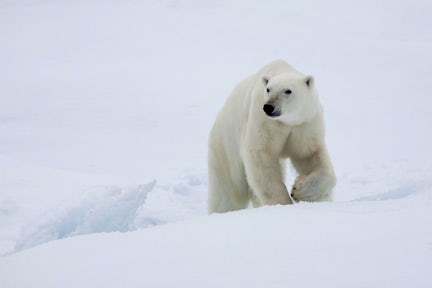
In August and September, Svalbard is still in full swing. As the pack ice starts to recede, there is also greater opportunity to travel further inland.
Polar bear populations become increasingly concentrated on the remaining ice during this time, maximising your chances of sightings.
The melting ice also opens up the Northwest Passage to expedition ships for a small window during August and September.
The longer days during August provide greater opportunities to spot polar bears who, driven by their rumbling stomachs, follow the trail of migrating belugas and narwhals.
The increasingly longer nights in September, however, afford an opportunity to see the Northern lights as you explore.
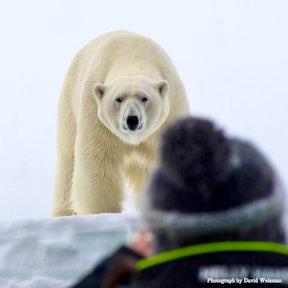
Bears begin to descend on Churchill from Hudson Bay in October. As temperatures continue to drop, more and more polar bears arrive and sightings increase dramatically.
Snow continues to fall through October and into November, glistening as it starts to cover the autumnal colours of the tundra. The drop in temperature begins to freeze the edges of Hudson Bay and the visiting polar bears become more active as they prepare to head back out on the pack-ice for winter.
Once the ice is thick enough to take their weight – usually around late November – the bears are off to hunt for the winter. You will witness the greatest concentration of polar bears in the week preceding this.
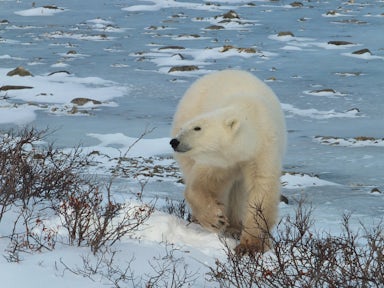
A bear explores the tundra

Combining an easily accessible destination with a healthy polar bear population, Svalbard is a great option for those keen to catch their first glimpse of the great white bear.
The high season in Svalbard runs from May through August – it's rare for a voyage not to successfully sight a bear during this time.
Svalbard offers the best of the Arctic in microcosm. From glaciers and pack ice to wildlife and history, Svalbard has it all. Plus, with shorter distances between places of interest, you'll spend less time travelling and have more time to explore all the island has to offer.

Polar bear on the pack ice in Svalbard
It’s very rare for an expedition voyage into the Northwest Passage not to sight bears. However they are widely distributed and highly mobile so Northwest passage trips also often include known ‘polar bear hotspots’, which help increase the chances of success:
For wildlife enthusiasts, polar bears aren't the only treat the Northwest Passage has to offer, in fact it is also the best place to see the 'Arctic Big Five' - polar bears, musk ox, beluga whales, narwhal and walrus'.
With only a short season running from August to September, booking your Northwest Passage voyage early is advised.
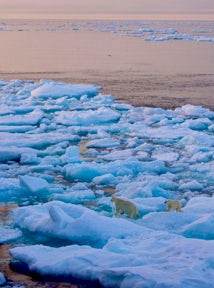
Polar bears roaming across the ice
Churchill is the self-styled 'polar bear capital of the world’. For a short time only, during mid-October to mid-November, the world’s greatest concentration of bears collects in the area due to the unique local geological and climatic processes.
We can almost guarantee a polar bear watching in Churchill at this time. Swoop's Alex spotted an impressive 47 bears in two days. However, as ever with wildlife, it's not quantity but the quality of sightings that really matters.
In the controlled buffer zones on the edge of Wapusk National Park you’ll experience the unrivalled opportunity to observe the 'King of the Arctic’ and fascinating behavioural interplay at closer quarters. Specially designed bear-proof vehicles prove the ideal mobile viewing platform.
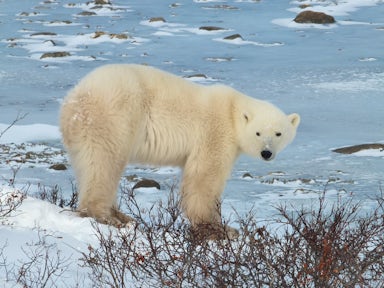
A polar bear in Churchill, the 'polar bear capital of the world'
While polar bears don’t regularly frequent the actual North Pole itself, those undertaking an icebreaker voyage to the roof of the world can be fairly confident of bear sightings during the journey.
Generally located in the less accessible northern and northeastern parts of Greenland, polar bears are much more elusive here than their counterparts in Svalbard or the Canadian Arctic.
Though it is not unknown to spot a bear in East Greenland, their wide geographical distribution and caution around humans due to continued hunting means its very unlikely that you’ll see one.
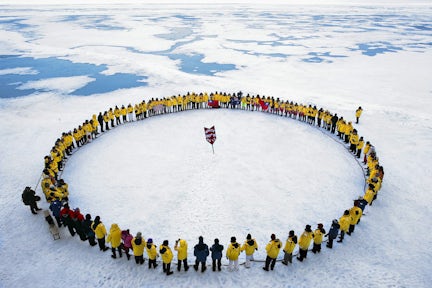
It's a tradition to circle the pole
The Arctic's apex predator, polar bears have evolved to be highly adapted to their harsh environment. From their ears to their claws, almost every feature of these captivating …
Discover More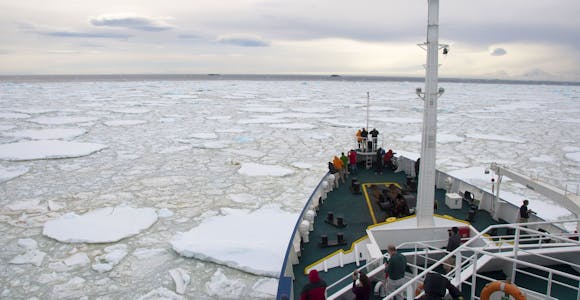
Halfway between Norway and the North Pole, Svalbard distils the best of the Arctic into one remarkable archipelago. In high summer, largely ice-free coastlines reveal calving …
Discover More
This labyrinthine waterway was long sought by early adventurers as a sea route linking the Northern Atlantic and Pacific Oceans. Canada's Arctic archipelago is therefore no …
Discover More
The centre of a polar bear migration in October and November, the worlds' best place to see northern lights from January to March and a gathering point for thousands of beluga …
Discover More
Bears exploring the sea ice

A bear waits for the ice to form so hunting can begin

A polar bear watches from the shore

Bear navigating the sea ice

Polar bear spotting from the bow of your sailing ship

A healthy bear up close
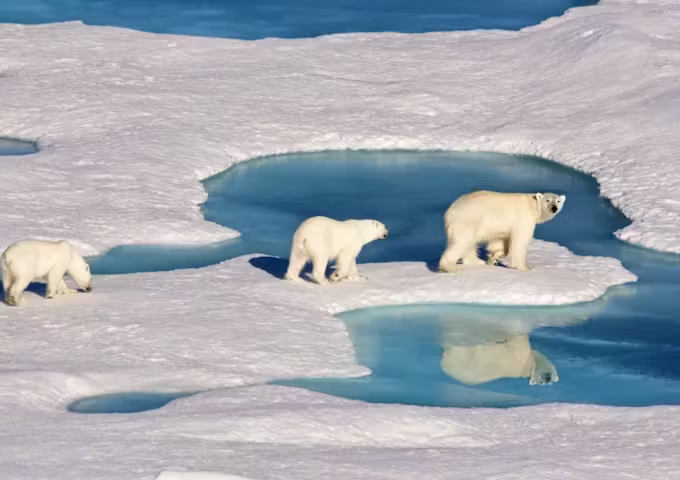
Bears on the sea ice, Lancaster Sound
When it comes to wildlife, sightings simply can’t be guaranteed.
However, in places like Churchill in the autumn, where the migration follows a well set and determined pattern, sightings are all but assured.
This depends in which region you are travelling and at what time of year. If you contact us we can guide you through the options.
Churchill is known as the 'Polar Bear Capital of the World' due to the significant numbers of bears that gather there in October and November, waiting for Hudson Bay to ice over again.
In Svalbard you can see polar bears from May to August and in the Northwest Passage during August and September.
Safety is paramount when dealing with any apex predator. Safe sightings can be guaranteed, whether you are viewing from an ice strengthened ship, rubber zodiac or tundra buggy.
We'll spend some time listening to your aspirations, then discuss the kind of experience that might suit you.
Next we'll discuss the options, shortlist the best trips for you and present you our impartial recommendations.
We'll place a 24 hour hold on your preferred option - without obligation - whilst we talk through the details.