
Northwest Passage Cruises
This labyrinthine waterway was long sought by early adventurers as a sea route linking the Northern Atlantic and Pacific Oceans. Canada's Arctic archipelago is therefore no …
Discover More
To ensure a smooth arrival, all of our Northwest Passage voyages utilise time and hassle-saving chartered flights from the likes of Calgary, Ottawa or Toronto, which convey guests directly to where they set sail from.
Karl ONeill Arctic Sales Specialist
Special Offers:Swoop has access to the widest range of offers and can help you find the right trip, cabin, & price.
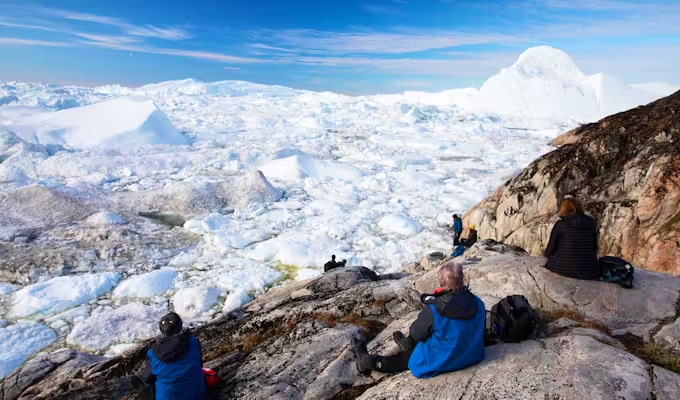
A full transit of the Northwest Passage is a truly epic undertaking, travelling in the footsteps of legendary explorers Amundsen, Franklin and Larsen. This voyage is distinguished by the small, nimble and comfortably appointed expedition ship you'll travel on, with…

Traversing west to east this voyage takes you to iconic sites such as Cambridge Bay, Lancaster and Smith Sounds and Ellesmere Island, before exploring the fjords and towns of West Greenland. Bears, narwhal, musk ox, beluga and northern lights are…
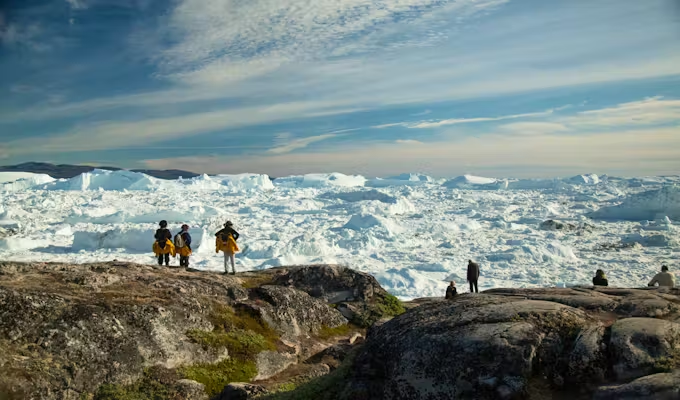
Spending time exploring Canada’s historic Northwest Passage and West Greenland, we like this voyage’s balance and variety as much as exploring little visited spots such as Thule, one of the northernmost towns in the world, and Smith Sound. Big ice,…
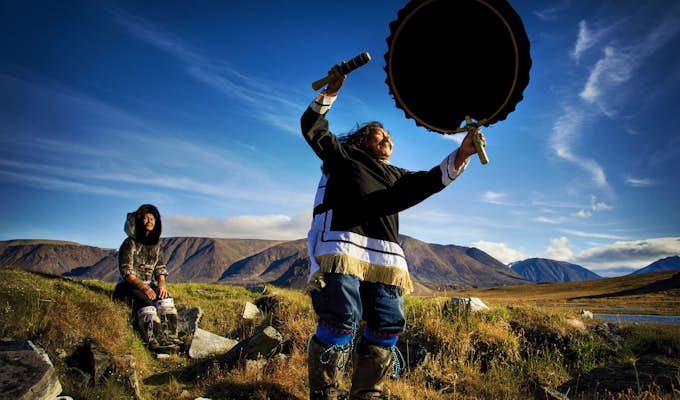
Visits to Canadian and Greenlandic communities Inuit history and culture are at the core of this journey, among those stops both Kinngait, the centre of Inuit Art and Nuuk, Greenland's capital are included. There's plenty of wildlife opportunities too with…
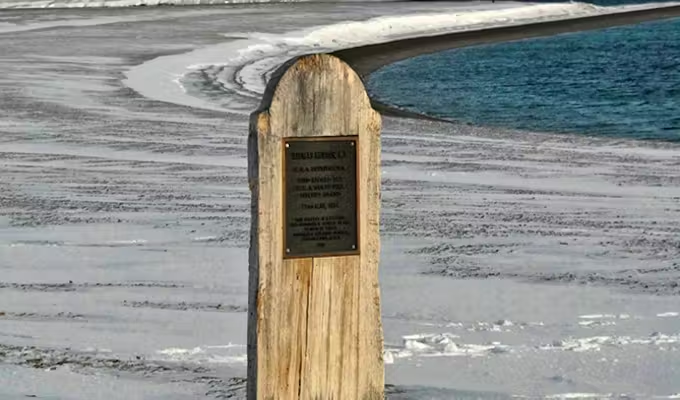
The big ice and small towns of West Greenland provide a stunning start to this trip before you sail across the Davis Straight to Baffin Island and enter the Northwest Passage. Blend history, scenery and wildlife; pay your respects at…
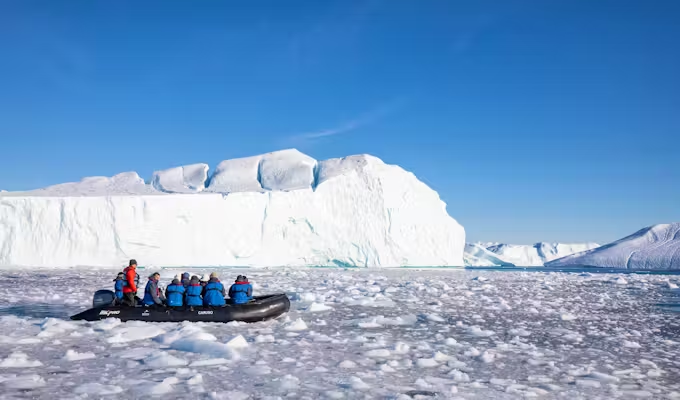
Beginning in Cambridge Bay, this westbound-arching route encapsulates the best that the Northwest Passage and West Greenland have to offer. Thread your way through the icy labyrinth of staggering landscapes, dramatic history, remote Inuit settlements and charismatic Arctic wildlife, with…
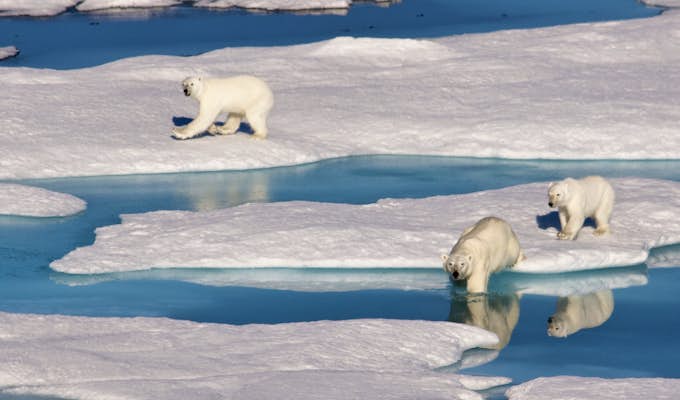
In the labyrinthine icy channels of the legendary Northwest Passage, explore the islands and channels that form Canada’s High Arctic region. Meet local indigenous people, encounter enigmatic Arctic wildlife – including walruses, beluga whales, polar bears, musk oxen and the elusive…

Follow in the footsteps of legendary explorers on a magnificent voyage from Greenland, attempting to transit the fabled Northwest Passage toward Alaska. Alongside your expert Expedition Team, you will discover UNESCO-listed sites, abundant wildlife, and vibrant Inuit settlements. This journey…

Set sail on this in-depth, luxury 20-day cruise of west Greenland and the legendary Northwest Passage. Travelling deep into the icy labyrinth of the Northwest Passage, encounter Inuit culture, retrace Franklin’s footsteps and witness Arctic wildlife – musk ox, polar…

This is a fabulous introduction to the best of the Canadian High Arctic, incorporating an in-depth exploration of Baffin Island and the mythical Northwest Passage – with time also in West Greenland. From dramatic glacier-carved scenery and wildlife encounters, to…
The trip was good, the light gorgeous, the icebergs fantastical, and the wildlife wonderful with more polar bears than expected. The traditional villages made us think about their future, and we met new friends. Read the full review
Travelled: August 2018
Carol & Gerard Yorke - USA
The Northwest Passage is sparsely populated, and it is not an easy place to get to. Anyone traveling by air will be bound by a handful of fairly unreliable scheduled flights between the communities. This does make independent travel in the region something of a major challenge and adventure!
Because of this, our expedition trips rely on chartered flights in and out of the more substantial settlements where it’s possible to land larger jets. These flights go from Calgary, Toronto, Seattle, Anchorage and Yellowknife to settlements including Nome, Cambridge Bay, Kugluktuk and Resolute (in the Northwest Passage), or Kangerlussuaq and Nuuk in Greenland from where ships then sail across the Davis Strait.

Cruising the Northwest Passage
We’re often asked which direction is best to travel through the Northwest Passage. Like any good question, there isn’t an easy answer, mainly because there isn’t much in it.
Perceived wisdom and seasoned Northwest Passage travellers say that, on balance, travelling eastwards and finishing with Greenland’s glaciers wins by a narrow margin.

Devon Island

If travelling through the Northwest Passage, which is part of the Canadian Arctic, you should check the latest Canadian entry requirements for your nationality and travel arrangements.

Looking out onto the ice, Northwest Passage
The Northwest Passage is immense, remote and wonderfully wild. Its few scattered communities are small and widely separated, while beyond them stretches a stark, often haunting landscape of islands, fjords and countless channels that form this extraordinary watery labyrinth.
Although expedition voyages are concentrated in August and September, when seasonal sea ice retreats enough to allow navigation, this is still the High Arctic: weather can change quickly, temperatures can be bitterly cold and snow in late August is not unusual. Yet the harshness only heightens its appeal – it's a place of astonishing beauty, remarkable wildlife and vast wilderness, largely untouched by modern life.

Graves of explorers on Beechey Island
Given the logistical challenges of trying to explore the Northwest Passage independently, an expedition voyage with charter flights from easily accessible Canadian cities is really the only way to explore this region.
This labyrinthine waterway was long sought by early adventurers as a sea route linking the Northern Atlantic and Pacific Oceans. Canada's Arctic archipelago is therefore no …
Discover More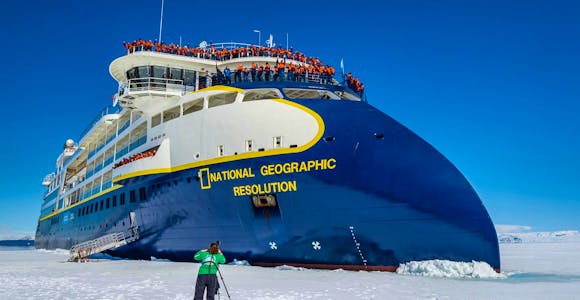
Exploring by expedition ship provides unparalleled access to the remote coastlines, icy channels and scattered communities of the Northwest Passage. Given the distances and typical…
Discover More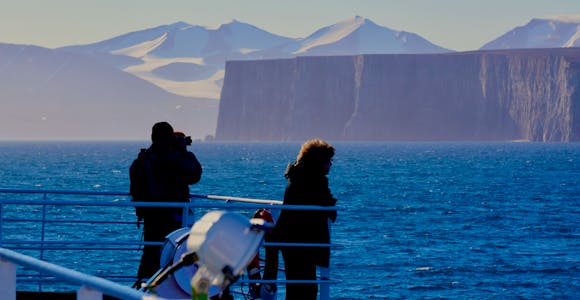
There’s very good reason why the Northwest Passage is only open to visitors in August and September: it's the only time average temperatures are above freezing, and the ice has …
Discover More
Exploring the Arctic on board an expedition vessel is a fully immersive and educational experience of which the daily landings are a key component. From the thrill of encountering …
Discover MoreMost voyages along the Northwest Passage are one-way transits between Greenland and Alaska, or vice-versa.
At the eastern end, they commonly start in Kangerlussuaq or Nuuk. On the western side it's usually Nome. Some cruises will finish at places such as Resolute or Kugluktuk (Coppermine).
The airports at either end of the Northwest Passage do not have major commercial flights. For this reason, you'll first fly to a gateway city, such as Ottawa, Calgary, Reykjavík or Seattle, and then take a charter flight to your ship's port of embarkation.
The season for navigating the Northwest Passage is very narrow. August and September are the only months when the sea ice melts sufficiently to allow ships to pass.
All Arctic voyages require flexibility. Even the modern ships are at the mercy of the unpredictable shifting pack ice.
Your proposed route will be constantly monitored and adjusted as necessary.
The temperature on a Northwest Passage cruise will generally range from -5°C to 8°C (23°F to 46°F), plus a high wind-chill factor.
For this reason it's important to have waterproof trousers and insulated layers for zodiac trips. Rubber boots are usually loaned to you by the ship.
On a Northwest Passage voyage, you'll often be travelling through several countries - perhaps Greenland, Canada and the USA.
Your passport should be valid for at least six months past the last day of your trip, and you could require travel authorisation such as the US ESTA or the Canadian eTA, depending on your nationality.
Any landing permits and native community visit authorisations will be handled by your cruise operator.
We'll spend some time listening to your aspirations, then discuss the kind of experience that might suit you.
Next we'll discuss the options, shortlist the best trips for you and present you our impartial recommendations.
We'll place a 24 hour hold on your preferred option - without obligation - whilst we talk through the details.