

How to get to the Arctic
While the Arctic spans a vast area of largely wilderness and encompasses multiple countries, it’s actually a lot easier and quicker to get to than Antarctica, its cousin at the …
Discover More
Arctic cruises are deeply immersive experiences that plunge you into the heart of the Far North. Regardless of whether you choose an intimate expedition vessel or a high-end luxury ship, your days will be filled with guided shore landings, zodiac safaris through glittering ice-filled bays, and engaging educational programs – all centred around ensuring you get the very most from your trip.
While the dynamic Arctic weather and shifting ice requires a flexible itinerary, the presence of a professional guiding team ensures that, no matter the weather, the wonders of the Arctic are always well within reach.
One moment you’re zipping through ice-choked bays on a zodiac, the next you’re standing on a remote shore, humbled by the silence. Arctic cruising is active, unpredictable, and deeply immersive. Whether you’re learning from world-class experts or scanning the horizon for polar bears, the energy is constant – every second feels electric.
Nardus Erasmus Arctic Sales Specialist

Special Offers:Swoop has access to the widest range of offers and can help you find the right trip, cabin, & price.
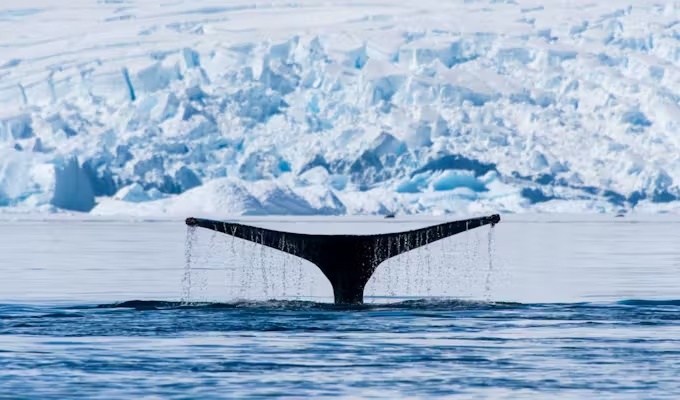
Exploring East Greenland’s wild, dramatic coastline on board a small, custom-built polar ship, this is expedition cruising at its very best. Hike the autumnal tundra in search of musk oxen during the day, with a strong chance to see the…
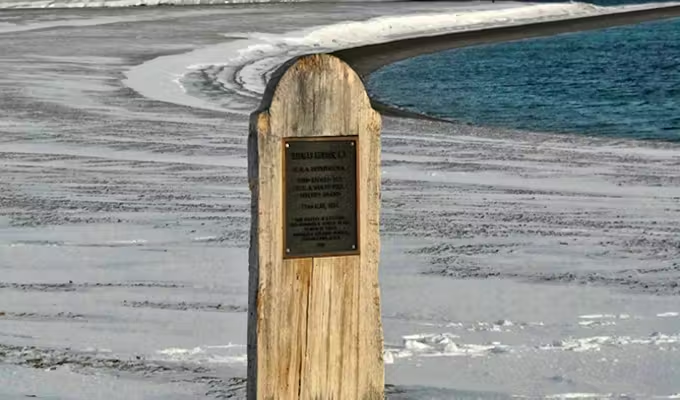
The big ice and small towns of West Greenland provide a stunning start to this trip before you sail across the Davis Straight to Baffin Island and enter the Northwest Passage. Blend history, scenery and wildlife; pay your respects at…
A full transit of the Northwest Passage is a truly epic undertaking, travelling in the footsteps of legendary explorers Amundsen, Franklin and Larsen. This voyage is distinguished by the small, nimble and comfortably appointed expedition ship you'll travel on, with…
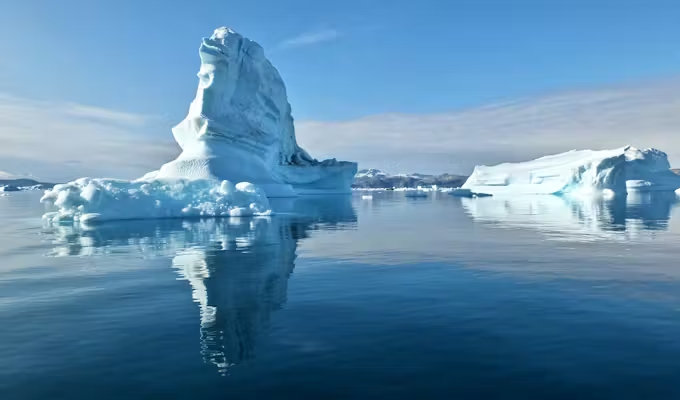
Beginning in Svalbard before sailing west across the Greenland Sea and exploring Greenland’s long eastern coastline to finish in Iceland, this is an audacious Arctic journey of startling diversity and contrast. Spectacular landscapes, towering glaciers and once-in-a-lifetime wildlife encounters all…
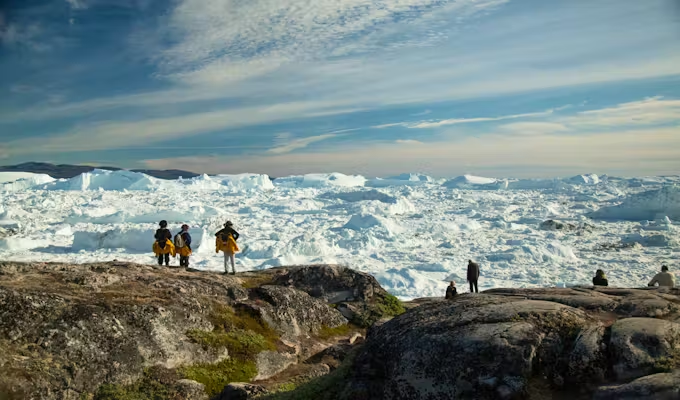
Spending time exploring Canada’s historic Northwest Passage and West Greenland, we like this voyage’s balance and variety as much as exploring little visited spots such as Thule, one of the northernmost towns in the world, and Smith Sound. Big ice,…

Truly escape the modern world and explore Svalbard on board a schooner. Sail north through the melting spring ice, spot wildlife and learn about the archipelago’s rich history. Highlights include the Monaco Glacier, 17th century whaling settlements, close encounters with…
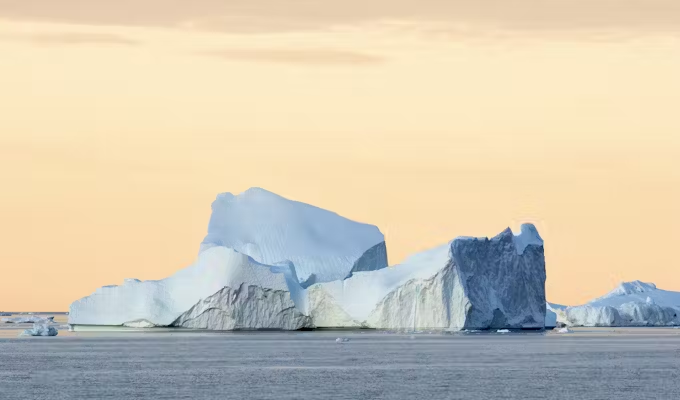
This might be a short trip but it packs a huge amount in. Sail among the ice of Disko Bay and spot humpbacks hunting herring; trek to the look out over Jakobshavn Glacier; explore the settlements of Sisimiut and Itilleq…

There are few wilder, more remote places on the planet than East Greenland. Travelling by a small, very comfortable custom-built expedition ship, this voyage aims to showcase the best of Greenland’s eye-popping scenery, vast ice and exotic wildlife. Walk the…

Maximise wildlife sightings with the chance to circumnavigate Spitsbergen island. Search for walrus, arctic fox, whales and of course the ‘King of The Arctic'. Sail through the Hinlopen Strait and visit abandoned trapping stations and experience glaciers up close all…
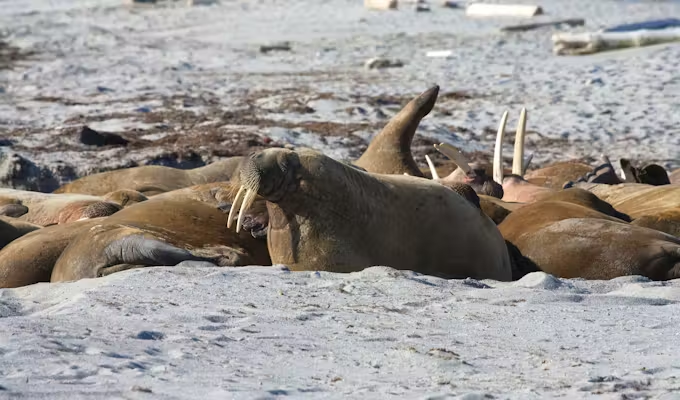
For a stellar introduction to all Svalbard has to offer, travel on board a modern X-Bow ship with a maximum of just 130 guests while accompanied by one of the best expedition teams in the business. Complimentary charter flights and…

This popular introduction to Svalbard is keenly priced and, with numerous early season departures, guarantees plenty of ice. Sail onboard one of the newest ships in polar waters and spot bears from the plentiful deck space. Optional kayaking and hiking…
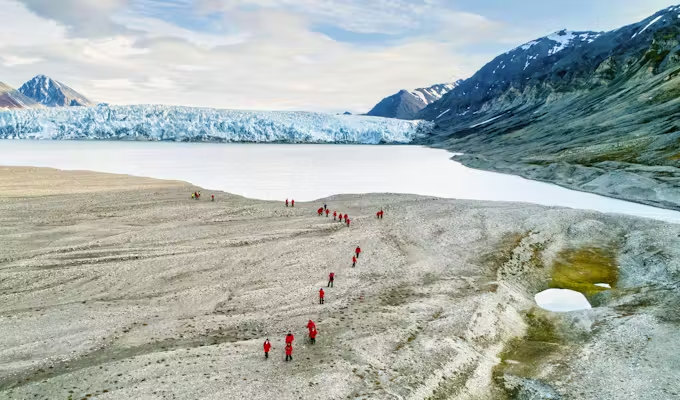
Travelling in luxury aboard an outstanding expedition ship, we love this trip for its unusual combination of Svalbard and Norway’s northern tip, plus its focus on top-notch service and cuisine. After a hassle-free flight from Oslo to Svalbard, spend seven…

Reach the top of the world in serious comfort onboard a state-of-the-art luxury, hybrid-powered icebreaker. Travel north through icebound waters and join the exclusive list of intrepid explorers who have visited the geographical North…
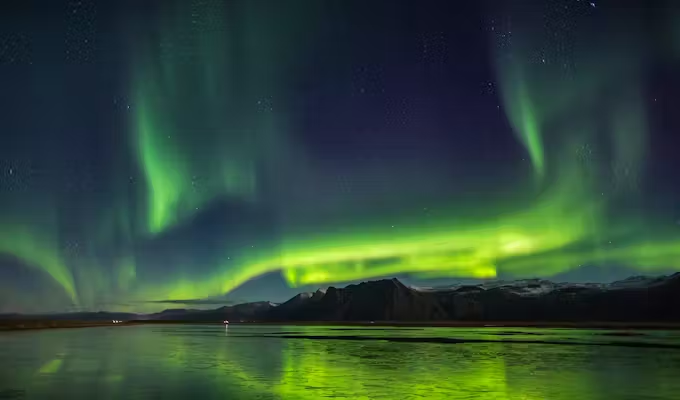
Sailing in August or September, explore the massive fjords of East Greenland and their legendary icebergs, spot musk oxen and visit ancient and modern Inuit settlements. Late summer provides a great chance of spotting the Northern Lights. A choice of…
Daily shore excursions from your Arctic expedition ship, led by knowledgeable guides, are highly immersive and thrilling experiences. No two landings are ever the same - this is one of the joys of this dynamic type of adventure.
Some excursions prioritise wildlife encounters, others visit historic landmarks, and many are selected simply for their breathtaking scenery. The sensory intensity of exploring polar bear country on foot is truly unforgettable.

Visiting an historic hut
Zodiacs are at the centre of every Arctic voyage, used for both exhilarating zodiac cruising as well as your 'Uber' to shore. Driven by highly experienced guides, these flat-bottomed, very stable inflatable dinghies typically accommodate up to 10-12 people at a time and are a key part of a trip’s modus operandi.
The sheer spontaneity of a zodiac means your experience can shift in an instant: one moment you're weaving through ancient ice floes, and the next you're watching walrus hauled out on a beach, or gasping as a whale breaches nearby.
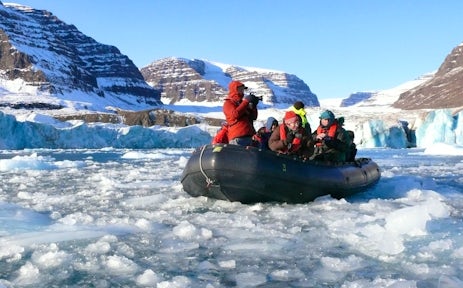
Taking a zodiac through the ice
The Arctic is one of the greatest wildlife watching destinations on the planet. Come to the Arctic for walrus on ice floes, musk ox on the tundra, migratory birds in their thousands, and, of course, polar bears - the undisputed King of The Arctic.
But unlike Antarctica and the Galápagos, where copious wildlife is on tap and you can leave your zoom lens at home, wildlife sightings in the Arctic require patience and perseverance, but are all the sweeter for the effort when experienced.

Polar bear roaming on the snow
For the active traveller, hiking of various lengths is commonly available on all voyages, and also snowshoeing early in the season, when conditions allow.
For the brave, or possibly foolish, there’s also the chance to test your mettle with a ‘Polar plunge’ into frigid Arctic water.
Most ships also typically offer an immersive kayaking programme and/or one-off paddling sessions. These optional activities normally carry an additional charge and typically need to be booked when you secure your cabin.

Kayaking at Alkefjellet
The Arctic is a photographer's paradise. The landscapes are heroic and varied, land and marine wildlife provide ever shifting challenges, while the High Arctic’s dynamic weather and long summer days provide ever shifting opportunities.
Every expedition team features at least one specialist photography guide on hand to help with tips and pointers.
For dedicated enthusiasts, specific ships even provide specialised photography zodiacs during outings, ensuring keen photographers have the best possible chance of capturing the perfect shot.

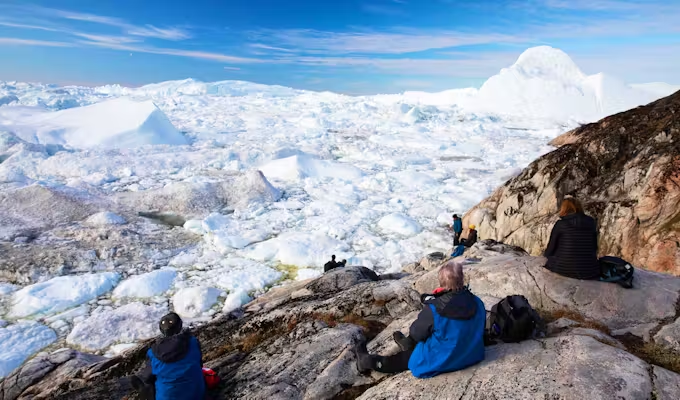
A hiker overlooks a glacial front
Educating guests about the Arctic is a fundamental pillar of the polar expedition experience and the responsibility of your onboard guides. Many have spent literally years in the field learning their craft, and are extraordinary (yet modest) walking encyclopaedias.
This wealth of knowledge is shared via engaging onboard presentations, but where it truly comes alive is in the field.
As your guide pauses to explain the nuances of glaciology in front of a glacier, or halts your walking group to point out a rare summer flower, you’ll quickly realise that these are the true undersung heroes of the Arctic.

Guide leading an excursion
Flexibility is at the heart of every Arctic cruise, and plans can change as quickly as the ever shifting weather and ice. However, your expedition team are masters of adaptation, so whatever the conditions, they'll always ensure you get the best that the Arctic has to offer.
Increasing numbers of expedition ships are now offering guests the opportunity to actively participate in citizen science initiatives, which involve gathering key data in these remote areas for the scientific community.
Available programs are varied and typically range from collecting phytoplankton samples to climate impact studies and monitoring whales or seabirds, to assisting NASA with the calibration of their weather satellites.
These projects are engaging and don’t carry a cost; they also offer an unmatched way for interested guests to engage more deeply with some of the environmental challenges facing the Arctic.

Taking part in a citizen science project on board
The polar plunge is a legendary Arctic tradition, guaranteed to earn you looks of admiration (or disbelief) from friends back home. Typically offered once per voyage, the event creates a festive, party-like mood across the ship; even for those staying dry, it remains one of the region's most entertaining spectator events.
While the sudden cold is certainly a shock, the post-plunge rush is exhilarating, fuelled by a unique sense of camaraderie with your fellow jumpers.
It is entirely optional, but we suggest tucking a swimsuit into your luggage regardless of your current resolve – you never know when the spirit of adventure might take hold!

Braving the polar plunge
Most people are fit enough for a cruise to the Arctic. You’ll be walking short distances during the landings (under half a mile or 1km) and even when longer walks are offered, you can always opt for a shorter alternative route.
It's worth making sure you're in good physical shape, and capable of walking across uneven ground that may be covered with ice or snow, before you head off on your cruise. That way, you'll get the most out of your time in the Arctic.
A walking pole provides a useful third point of balance. You can bring your own, but most ships have poles for guests to use.
The visitor season in the Arctic runs from May through to September. There's no one best time to visit – different months offer different experiences. This is where Swoop’s nuanced expertise can help match you to the right time to travel for you.
In May and early June it's spring time, and the Arctic is awakening from its lengthy, dark hibernation. As the days lengthen, frozen fjords start to open up, wildlife is on the move, cream-coloured polar bears can be easier to spot against the snow, and the first ships arrive.
Late June to early August marks high summer’s brief crescendo. A flurry of activity takes hold as wildlife and travellers alike seize the fleeting window of opportunity. The long days of the Midnight Sun in high summer maximises time to explore and for wildlife encounters.
As September arrives, the crisp air of autumn spreads across the region. As the weeks pass, the nights rapidly draw in opening up the chance for Northern Lights sightseeing, and winter's vice-like grip again starts to take hold.
For more information, see our page about the best time to visit the Arctic.
While it’s crucial that you dress correctly in the Arctic for your own comfort, the good news is that, (a) you won’t need to invest heavily in specialist equipment, and (b) we frequently hear from returning customers that it wasn’t as cold as they expected it to be, so rest assured!
For a detailed packing list and tips on clothing, see our guide on what to wear to keep you warm and dry.
And for those people planning to take part in adventure activities such as kayaking or paddling, there’s no specialist equipment that you'll need to bring in order to undertake this - it will all be provided for you by the ship.
Yes. The weather in the Arctic is - along with ice conditions - a key deciding factor and it's one of the reasons why itineraries are never set in stone. The ship's captain and your expedition leader work closely together to plan the best activities for each day, taking the weather into account - visibility, wind and fog particularly. There will always be multiple backup plans.
Expedition leaders are very experienced in improvising when conditions change, so while the weather will have an influence on your trip, there’s always a Plan B & C in the locker, and these can often work out better than Plan A.
The good news is that boarding and exiting a zodiac is much simpler than it might first appear, easily handled by anyone with reasonable mobility.
When transferring from the ship to a zodiac, or vice versa, there’s an easy–to-follow short sequence of modest steps which you will quickly get the hang of, during which crew members will provide a steady hand with what’s called a reassuring ‘sailor’s grip’.
It’s worth mentioning that each ship has multiple embarkation points, and that boarding on the protected leeside will always be favoured, to help facilitate the zodiac logistics.
Once you reach shore in your zodiac, you’ll perform a 'wet landing' – shifting along to the end of the zodiac in shallow water, before swinging your legs over the pontoon. This movement quickly becomes instinctive, and again, there are always plenty of helping hands available from the expedition team.
Zodiac cruises usually last between 45 minutes and two hours, depending on the weather, location and how comfortable everyone in the boat is.
While two hours might sound like quite a long time, in reality you’ll find that it whizzes past, absorbed as you are by your surroundings, the stories told by your expedition guide who is also driving the zodiac, and the whole quadraphonic Arctic experience going on around you, assaulting all of your senses.
The question of comfort breaks during both these zodiac cruises and during onshore landings crops up quite often. With no bathroom facilities available to either, holding back on that second pre-excursion coffee can often be the wisest policy.
Zodiac cruises offer the opportunity for some of the most intimate wildlife encounters in the High North. You might watch puffins diving nearby, drift silently past a bearded seal resting on an ice floe, or be lucky enough to witness whales from water level.
There are strict Arctic guidelines that dictate zodiacs must not approach most wildlife closer than 30 metres. Specific regulations in Svalbard, which came into force on January 1st 2025, require a minimum distance of 300 to 500 metres (depending on whether you travel before or after July 1st) to be maintained with polar bears to prevent disturbance.
While we appreciate that for many guests it's the wildlife - and the polar bear in particular - which was the original catalyst for the whole trip, there’s a tricky balance which needs to be struck between our own expectations and the safety and welfare of the wildlife.
Ultimately, it's beholden on us as visitors to respectfully ensure that our behaviour, while in their own backyard, doesn’t adversely impact the wildlife in any way.
In general, no experience is needed for the majority of adventure activities in the Arctic. This includes paddling, which is a one-off session in a kayak, and is well suited to any novice.
Joining a kayaking programme does require some previous prior familiarity and experience, as it's not a training course. A fairly good level of fitness is needed, but you certainly won’t be asked to execute an eskimo roll!
Yes, absolutely. Anyone in good health and game can take part in a polar plunge – you'll just need a little bravery. The nip of brandy, reviving sauna, camaraderie and bragging points more than make up for the few quick seconds of brain freeze, in our book.
If you have been in poor health prior to your trip, or have a heart condition, we recommend getting a medical opinion before taking part. The ship's doctor always attends polar plunges.
While the Arctic spans a vast area of largely wilderness and encompasses multiple countries, it’s actually a lot easier and quicker to get to than Antarctica, its cousin at the …
Discover More
Considering a voyage to the Arctic? Since these are truly bucket-list adventures, it's vital to have a clear grasp of the total costs involved. Allow Swoop’s deep polar knowledge…
Discover More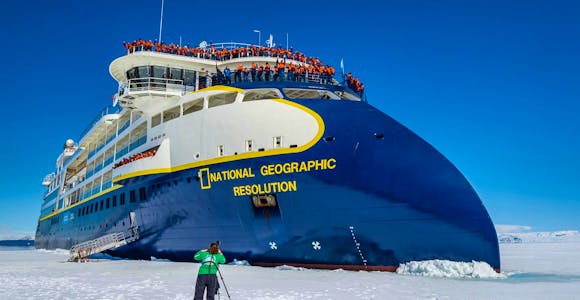
Expeditionary cruising is a very practical way to discover the Arctic, allowing you to comfortably explore often untouched areas of wilderness you can’t otherwise reach from …
Discover More
The Arctic summer, blessed with long days and abundant wildlife, is favoured by travellers seeking the classic Arctic experience. But delve deeper and you'll find each season has …
Discover MoreWe'll spend some time listening to your aspirations, then discuss the kind of experience that might suit you.
Next we'll discuss the options, shortlist the best trips for you and present you our impartial recommendations.
We'll place a 24 hour hold on your preferred option - without obligation - whilst we talk through the details.