Getting to Svalbard
Your journey to the Norwegian Arctic is a big part of the adventure. With this helpful guide, you can embark on your trip with confidence.
Discover More

As a polar history buff, I’m still discovering new and lesser known episodes in Svalbard's history. It's this rich historical context which makes every shore landing so much more exciting.
Karl ONeill Arctic Sales Specialist
In 1596, Willem Barentsz and his men came across a far Northern land whilst searching for a northern trade route to China for the newly formed Dutch Republic. After a misguided attempt to bring a polar bear on board as a souvenir, and some walrus hunting, they decided to leave their new land and carry on in search of a Northeast Passage.
They named their land ‘Spitsbergen’ meaning pointed peaks or mountains. A very appropriate name for where they made landfall in the Northwest.
Their onward journey was a disaster – Barentsz and his men were forced to overwinter on a remote Russian Arctic island as their ship became completely frozen-in. After battles with severe cold, scurvy and incredible hunger, Barentsz himself never made it back, but most of his men amazingly did survive.

Overwintering on Novaya Zemlya
Dutch maps, based on those of Barentsz, showed Spitsbergen to be surrounded by enormous whales. This caught the attention of the English Muscovy Company who began the hunt in the early 17th Century.
The Dutch quickly followed, and between them they mapped the majority of the archipelago whilst arguing over rights and monopolies.
Many landing sites still bear the remains of the copper cauldrons used to separate the valuable oil from the blubber of the whales, and bones of the whales themselves a chilling reminder of our exploitative past.

Whale oil refinery on Spitsbergen
Shortly after the whalers had depleted the whale population, Norwegian fur trappers started to over-winter in Svalbard, staying in huts that were no more than glorified garden sheds.
Their main quarry was the Arctic fox, whose fur, in the winter, was thick and luxurious, and prized by the women of Europe.
Radio schedules and the occasional supply ship provided their only contact with the outside world.
Although commercial trapping has largely disappeared, the trapper's cabins that remain across the archipelago offer a fascinating glimpse into one of the Arctic's toughest and most self reliant ways of life.

Norwegian fur trapper
While Svalbard’s wildlife may be the overwhelming drawcard for a lot of people, many guests are surprisingly drawn in by the fascinating tales of the early trappers, explorers and whalers, expertly told by the polar historian onboard every Svalbard ship.
For much of the late nineteenth and early twentieth centuries, Svalbard served as the gateway to the North Pole.
Its position at the edge of the Arctic Ocean made it the ideal staging point for pioneering expeditions by explorers such as James Clark Ross, Salomon August Andrée, Richard E Byrd and Roald Amundsen.
From here ships, balloons, airships and even reindeer ventured north in the quest to reach the top of the world. While many early attempts ended in failure, the knowledge gained transformed Arctic exploration, culminating in the first proven attainment of the North Pole by Roald Amundsen in 1926.
Today, the settlement of Ny Ålesund - which is a regular landing site - stands as an enduring reminder of this remarkable era, where ambition, innovation and extraordinary courage pushed the boundaries of what was thought possible.
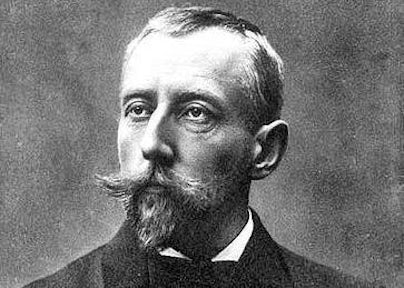
Roald Amundsen
Mining shaped modern Svalbard, transforming a remote wilderness into a permanent Arctic community. The seemingly vast mineral composition attracted prospectors from around the world in the early twentieth century, including British entrepreneur Ernest Mansfield, famous for his failed gold and marble mines, and American businessman John Munroe Longyear who founded the coal mining operation in Longyear City (later Longyearbyen) which continued until 2025.
Mining drove Svalbard's economy for decades, with company towns, railways and ports built to support the industry. Although coal production has now finished, its legacy remains woven into Svalbard's history, culture and distinctive landscape.

Mining in Svalbard in 1918

Special Offers:Swoop has access to the widest range of offers and can help you find the right trip, cabin, & price.

Travelling at the height of summer, this trip is the longest of any Svalbard cruise and offers the best possible conditions for thrilling wildlife encounters. Your circumnavigation of Spitsbergen includes huge glaciers, epic bird cliffs and ice-choked channels. Plus, there's…

Explore the fjords and ice of Svalbard keeping a close watch for polar bears onboard an exceptional expedition ship. Spend time on deck, on land and in zodiacs with the hugely experienced guides learning about the history, geology and wildlife…

An intimate summer expedition circumnavigating Spitsbergen on a 12-guest micro ship. Feel connection to nature, with a sense of solitude and scale, which is harder to find on larger ships. Explore rarely-visited islands, glaciers and the polar desert in search…

This popular introduction to Svalbard is keenly priced and, with numerous early season departures, guarantees plenty of ice. Sail onboard one of the newest ships in polar waters and spot bears from the plentiful deck space. Optional kayaking and hiking…
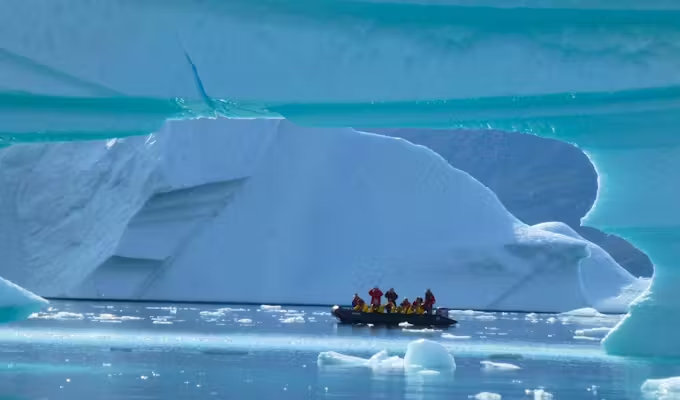
Introductions to the High Arctic don’t come much better. Traverse wildlife-rich Svalbard via East Greenland’s towering icebergs and autumnal tundra, then continue on to Iceland. Aurora sightings are possible at any point.…
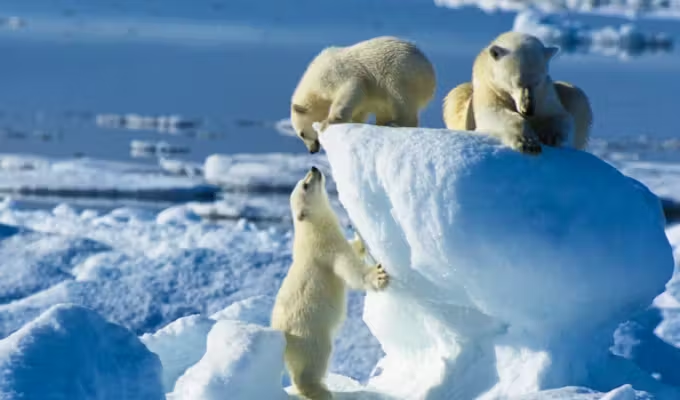
Scouting Svalbard’s ice floes for wildlife by zodiac and on foot, cruising the magnificent 14th of July glacier and reaching the world’s most northerly settlement at Ny Ålesund are just some of this 10-day voyage’s many highlights. There's also the…

Experience the Arctic’s legendary wildlife aboard an intimate micro expedition ship, amidst a pristine backdrop of calving glaciers, and snow-capped mountains. With an unmatched sense of ‘expedition’ and a deeper connection to nature, you build your own adventure, searching for…

Circumnavigate Spitsbergen on board a choice of two small ships and in the company of specialist guides. Travelling in such small groups allows you more time to explore, and some late-season departures benefit from stunning autumn light. Ask about special…

Circumnavigate Spitsbergen on board on a comfortable expedition ship and in the company of specialist guides. Travelling on a smaller ship allows you more time to explore, and some late-season departures benefit from stunning autumn light. Ask about special guest…
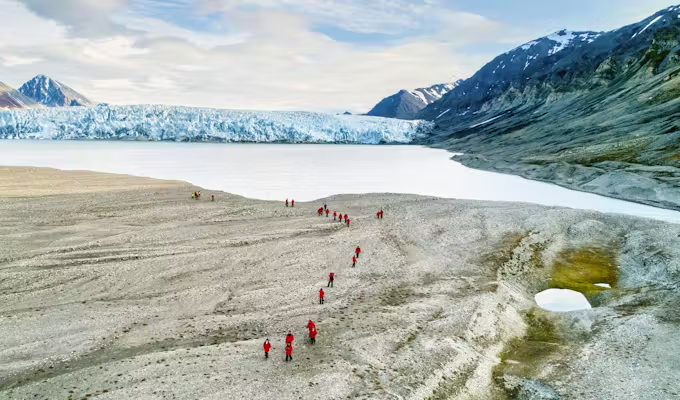
Travelling in luxury aboard an outstanding expedition ship, we love this trip for its unusual combination of Svalbard and Norway’s northern tip, plus its focus on top-notch service and cuisine. After a hassle-free flight from Oslo to Svalbard, spend seven…
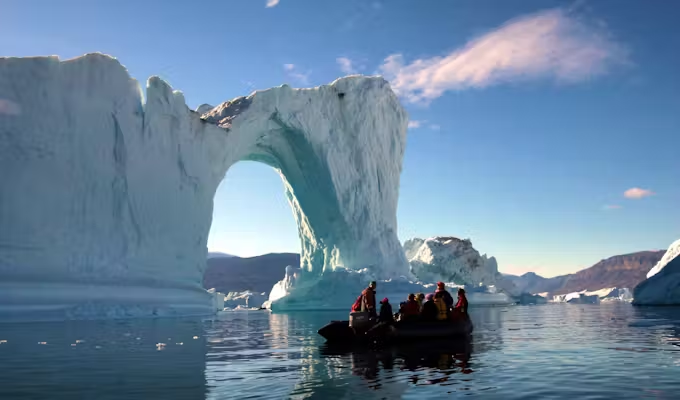
Beginning deep inside the High Arctic and finishing in subarctic Iceland, we like this voyage for its diversity, sense of journey and extended time exploring East Greenland. Zodiac cruising among towering icebergs, glimpsing the Northern Lights and tracking musk oxen…

Maximise wildlife sightings with the chance to circumnavigate Spitsbergen island. Search for walrus, arctic fox, whales and of course the ‘King of The Arctic'. Sail through the Hinlopen Strait and visit abandoned trapping stations and experience glaciers up close all…

Spring travel in Svalbard is a real treat, particularly on board a 12-guest micro ship. Revel in being one of the earliest visitors with the whole archipelago largely to yourselves. Explore iced fjords, a landscape still shrouded in snow, and…
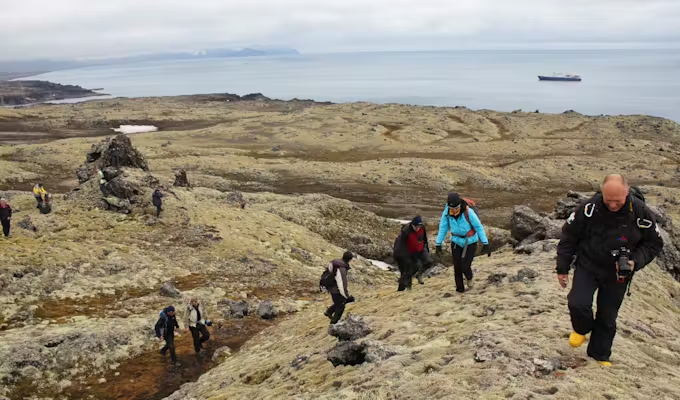
Setting sail from Scotland, this iconic journey island hops its way northwards before bisecting the Arctic Circle and spending time exploring the captivating Arctic archipelago of Svalbard. The little-visited islands of Fair Isle and Jan Mayen are a real treat,…
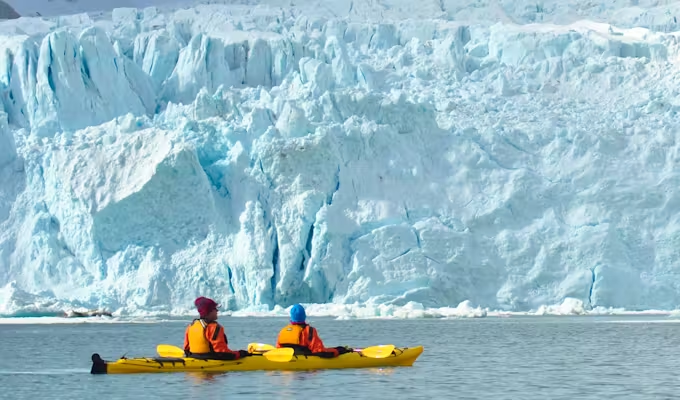
Using the ship as your comfortable ‘basecamp’ and travelling slower to enable more time for exploring each location – on foot, by kayak and through the lens of your camera – this is an ideal trip for the active traveller seeking quality…

Delivering a whopping 12 full days of exploration under the midnight sun, this voyage appeals to both wildlife enthusiasts keen to boost their chances of sighting Svalbard’s captivating fauna and the slow traveller who wants to get under the skin…
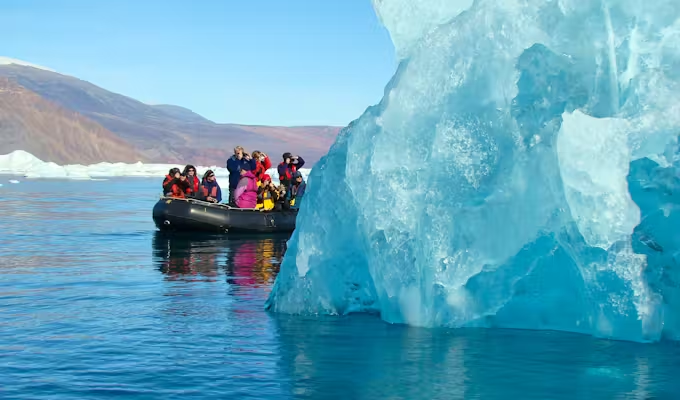
Start off in Akureyri, then cross the Arctic Circle as you sail north across the Denmark Strait and along Greenland's immense eastern coastline. The final leg of the voyage is across the Greenland Sea to Longyearbyen. This is a truly…

Truly escape the modern world and explore Svalbard on board a schooner. Sail north through the melting spring ice, spot wildlife and learn about the archipelago’s rich history. Highlights include the Monaco Glacier, 17th century whaling settlements, close encounters with…
Your journey to the Norwegian Arctic is a big part of the adventure. With this helpful guide, you can embark on your trip with confidence.
Discover More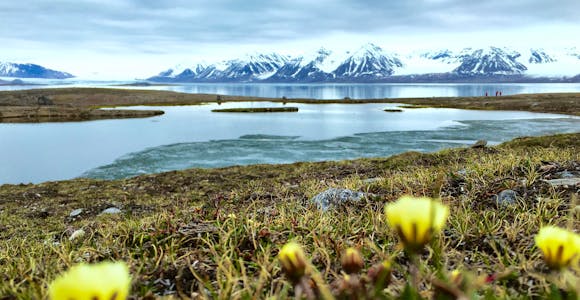
While Svalbard may be an almost year round destination, the changing weather, number of daylight hours, amount of ice and snow conditions through the year all have a marked effect …
Discover More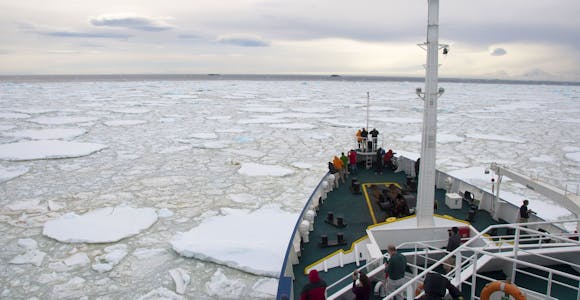
Halfway between Norway and the North Pole, Svalbard distils the best of the Arctic into one remarkable archipelago. In high summer, largely ice-free coastlines reveal calving …
Discover More
In the absence of hotels, exploring Svalbard by ship provides unparalleled access to the archipelago's remote coastlines and icy fjords. Due to its popularity, Svalbard offers the …
Discover MoreWe'll spend some time listening to your aspirations, then discuss the kind of experience that might suit you.
Next we'll discuss the options, shortlist the best trips for you and present you our impartial recommendations.
We'll place a 24 hour hold on your preferred option - without obligation - whilst we talk through the details.