Top five reasons to visit Oslo
- Discover the stunning fjords by exploring the Oslofjord on a boat trip or visit the surrounding scenic islands by ferry
- Try traditional Norwegian dishes and fresh seafood at the Mathallen Oslo food hall, or enjoy waterfront dining at Aker Brygge
- Visit fascinating museums including the MUNCH Museum to see Edvard Munch’s famous art, or explore Norwegian cultural heritage at the Norwegian Museum of Cultural History
- Learn about polar history and discover legendary Arctic expeditions at the Fram Museum, featuring the famous polar exploration ship Fram
- Stroll through Vigeland Sculpture Park to admire its remarkable artworks, then marvel at the striking architecture of Oslo Opera House, a stunning waterfront landmark
Swoop says


For culture enthusiasts, visit the Ibsen Museum, the former home of renowned playwright Henrik Ibsen, and the nearby National Theatre. Both are easily walkable within Oslo’s city centre and offer the perfect opportunity to discover more of the city’s history alongside its better-known attractions.
Hannah Green Arctic CX Coordinator
Voyages that start or finish in Oslo
Special Offers:Swoop has access to the widest range of offers and can help you find the right trip, cabin, & price.

Maximise wildlife sightings with the chance to circumnavigate Spitsbergen island. Search for walrus, arctic fox, whales and of course the ‘King of The Arctic'. Sail through the Hinlopen Strait and visit abandoned trapping stations and experience glaciers up close all…
- 11 Days
- $18,695
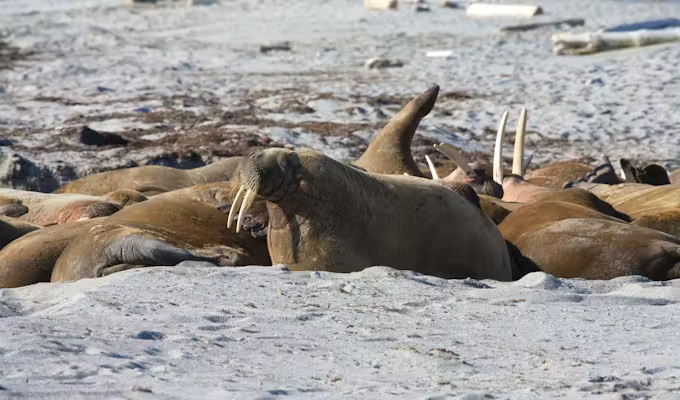
For a stellar introduction to all Svalbard has to offer, travel on board a modern X-Bow ship with a maximum of just 130 guests while accompanied by one of the best expedition teams in the business. Complimentary charter flights and…
- 8 Days
- $14,895

Circumnavigate Spitsbergen on board on a comfortable expedition ship and in the company of specialist guides. Travelling on a smaller ship allows you more time to explore, and some late-season departures benefit from stunning autumn light. Ask about special guest…
- 12 Days
- $11,590

Circumnavigate Spitsbergen on board a choice of two small ships and in the company of specialist guides. Travelling in such small groups allows you more time to explore, and some late-season departures benefit from stunning autumn light. Ask about special…
- 12 Days
- $12,090

May is springtime in Svalbard and for those travellers looking for pristine, fairytale snowy landscapes, icy fjords and a world – and wildlife – re-awakening after the long winter slumber, it’s a magical time. Travelling onboard a small ship with…
- 9 Days
- $7,690

May is springtime in Svalbard and for those travellers looking for pristine, fairytale snowy landscapes, icy fjords and a world – and wildlife – re-awakening after the long winter slumber, it’s a magical time. Travelling on board a micro expedition…
- 9 Days
- $9,490

For the Rolls-Royce of expeditionary cruising in Svalbard, travel with the original pioneers of polar exploration on this trip. Traversing Svalbard aboard one of the most advanced small expedition ships afloat and accompanied by your unparalleled onboard expedition team, expeditionary…
- 10 Days
- $14,420
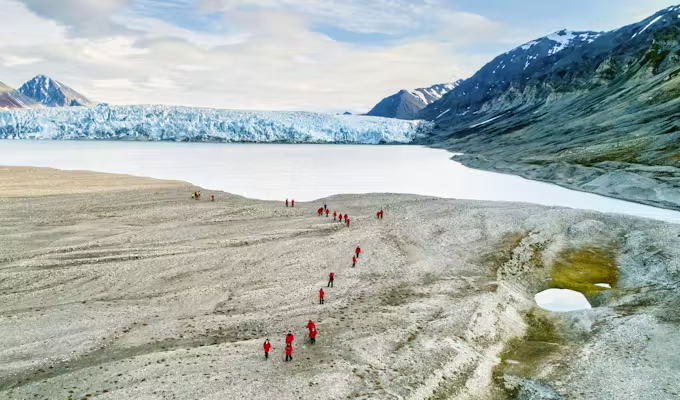
Travelling in luxury aboard an outstanding expedition ship, we love this trip for its unusual combination of Svalbard and Norway’s northern tip, plus its focus on top-notch service and cuisine. After a hassle-free flight from Oslo to Svalbard, spend seven…
- 11 Days
- $17,600

For guests seeking a seamless, luxury, all-inclusive Svalbard travel experience, this is the ideal option. Travelling aboard an outstanding expedition ship with a choice of dining options and very well appointed suites, spend six full days exploring Svalbard’s spectacular coastline…
- 10 Days
- $16,400

Circumnavigate the largest island in the Svalbard archipelago, cruising as far as 80° North to reach the edge of the pack ice. This voyage includes an impressive eight days of off-ship exploring, with ample opportunities to spot remarkable Arctic wildlife…
- 10 Days
- $6,972

Experience Arctic summertime at its best on this immersive expedition, travelling aboard a modern X-Bow ship built for a smoother ride through polar waters. Keep watch for walruses, whales and, with luck, polar bears as you venture towards the sea…
- 8 Days
- $5,527

For a hassle-free, whistle stop introduction to the best of Svalbard, this week-long trip is hard to beat. Navigating Svalbard’s icy wilderness on board a comfortable expedition ship, blending breathtaking scenery with scientific discovery, while encountering polar bears, walruses and…
- 7 Days
- $6,881

Spanning six Arctic regions across three countries, this voyage is perfect for those wanting to experience the very best of the Arctic in a single trip. From Iceland to Svalbard via Greenland's wild east coast, little-visited Jan Mayen, the stunning…
- 18 Days
- $10,048

Travelling during the height of summer, the goal is to complete a full circumnavigation of the Svalbard archipelago. But what really marks this voyage out is the rare inclusion of the remote and little-visited island of Kvitøya, renowned as a…
- 14 Days
- $11,995

Travelling during the height of summer under the ever present midnight sun, and with wildlife activity at its peak, this in-depth Svalbard voyage also offers the possibility of undertaking a circumnavigation of Spitsbergen, if ice and weather conditions allow. Maximum…
- 10 Days
- $7,996

Guided by Rinie van Meurs, renowned Arctic expedition leader with over 30 years of experience ,and travelling onboard a small, comfortable and very capable 12-guest ship, this short eight-day voyage is ideal for the Arctic traveller who is looking for…
- 11 Days
- $18,284

This immersive 10-day Svalbard voyage stands out as it's guided by Rinie van Meurs, renowned Arctic expedition leader with over 30 years of experience, and travels onboard a small, comfortable and very capable 12-guest ship. Travelling slowly, maximising time on…
- 10 Days
- $16,694

This exclusive 13-day voyage is guided by renowned Arctic expert, Rinie van Meurs, who has over 30 years of experience. While travelling onboard a small, capable and cosy 12-guest ship, his deep knowledge and passion will bring the Arctic and…
- 13 Days
- $27,596
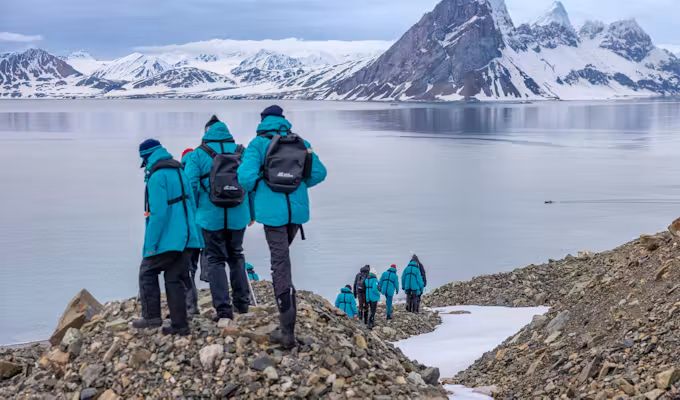
For those who value comfort without the formality, this all-inclusive Svalbard expedition offers a relaxed introduction to the High Arctic. The ship’s contemporary Scandinavian-inspired design provides a stylish and comfortable base from which to explore by zodiac, on foot and…
- 9 Days
- $7,975

For breathtaking contrast, visual drama and logistical simplicity, this roundtrip Arctic adventure combining northern Norway and Svalbard is hard to beat. Travelling onboard a stylish, modern expedition ship, head north from Tromso via little-visited Bear Island to spend days…
- 11 Days
- $11,625

Experience the Arctic’s legendary wildlife aboard an intimate micro expedition ship, amidst a pristine backdrop of calving glaciers, and snow-capped mountains. With an unmatched sense of ‘expedition’ and a deeper connection to nature, you build your own adventure, searching for…
- 10 Days
- $17,500

Spring travel in Svalbard is a real treat, particularly on board a 12-guest micro ship. Revel in being one of the earliest visitors with the whole archipelago largely to yourselves. Explore iced fjords, a landscape still shrouded in snow, and…
- 8-10 Days
- $12,500

An intimate summer expedition circumnavigating Spitsbergen on a 12-guest micro ship. Feel connection to nature, with a sense of solitude and scale, which is harder to find on larger ships. Explore rarely-visited islands, glaciers and the polar desert in search…
- 12 Days
- $22,995
What to do & see in Oslo
Museums and sculpture parks
Oslo is a fantastic destination for art lovers and culture enthusiasts, with museums covering everything from famous Norwegian artists to Viking heritage and polar exploration.
Visit the MUNCH Museum to discover the works of Edvard Munch, including his world-famous painting The Scream.
The Fram Museum offers a fascinating insight into Norway’s polar expeditions, while the Norwegian Museum of Cultural History showcases traditional Norwegian buildings and ways of life.
For something outdoors, visit Vigeland Sculpture Park, home to more than 200 sculptures by Gustav Vigeland. It’s a beautiful place to wander, enjoy the greenery and admire some of Norway’s distinctive artwork.

Ibsen Museum
Outdoor activities
Oslo is surrounded by forests, hills and fjords, making it ideal for outdoor adventures throughout the year. We recommend exploring the walking trails around Nordmarka, a vast woodland area perfect for hiking, cycling and picnics.
For spectacular views across the city and fjord, visit Holmenkollen, famous for its ski jump and winter sports heritage.
You can also take a boat trip around the Oslofjord or hop between nearby islands such as Hovedøya, where you’ll find peaceful beaches, woodland paths and historic monastery ruins.
Alternatively stay within central Oslo and take a bike tour around the city's attractions and landmarks.

One of many delightful parks around the city
Saunas and swimming
One of Oslo’s most memorable experiences is combining a traditional Nordic sauna with a refreshing dip in the fjord.
Along the waterfront, particularly around Bjørvika and the harbour, you’ll find floating saunas where you can relax in the warmth before plunging into the chilly water.
Popular options include SALT and KOK, both offering unique sauna experiences with beautiful waterfront surroundings. During summer, head to Sørenga Seawater Pool, a popular swimming spot with floating platforms, sunbathing areas and lovely views of the Opera House.

The popular waterfront area
Swoop says

For a different side of Oslo, I’d suggest a walk along the Akerselva river, where waterfalls and old industrial buildings reveal another layer of the city’s history. Leave time to explore Grünerløkka along the way, browsing its independent shops and stopping for a coffee.
Candice Du Preez Arctic CX Coordinator
Cuisine
Oslo’s food scene blends traditional Norwegian flavours with innovative Scandinavian cooking. Fresh seafood is a highlight, so look out for salmon, prawns and fish soup on restaurant menus.
For local favourites, try brunost (brown cheese), fårikål (a traditional lamb and cabbage stew) or freshly baked cinnamon buns.
We also suggest a visit to Mathallen Oslo, a lively indoor food hall filled with Norwegian specialities, international street food and artisan produce.
Or for waterfront dining, explore Aker Brygge, where restaurants give spectacular views over the Oslofjord.

Aker Brygge area of Oslo
Culture and history
Oslo combines centuries of Norwegian history and a great place to begin is at Akershus Fortress, a medieval castle overlooking the harbour that offers insight into Norway’s royal and military past.
Nearby, the Norwegian National Opera and Ballet is a striking example of contemporary architecture; visitors can walk onto its sloping roof for panoramic views across the fjord.
Or you can visit the Royal Palace and its surrounding gardens.
For a deeper understanding of Norway’s maritime heritage prior to your Arctic voyage, you can discover the city’s Viking and polar exploration collections.

Norwegian National Ballet and Opera

Swoop says
Oslo is well connected to the rest of Norway, making it the perfect base for further adventures. Take a scenic train journey to Bergen, or spend a day island-hopping around the beautiful Oslofjord.
Where to stay in Oslo
Oslo offers a range of accommodation to suit every taste and budget, from luxury waterfront hotels and stylish boutiques to cosy guesthouses and modern hotels.
We recommend the lively city centre, which offers the perfect base for exploring the main attractions, shops, restaurants and cultural landmarks, all within easy walking distance.
For beautiful waterfront views, there’s Aker Brygge and Tjuvholmen, where stylish hotels sit alongside the harbour, with waterside restaurants, cafés and scenic spots to enjoy the Oslofjord.

Comfort Hotel Grand
How to get to Oslo
Oslo Airport Gardermoen (OSL) in Oslo is the international gateway for flights to Norway. The airport is 29 miles (47km) northeast of the city centre.
Oslo is easy to reach, with direct flights from many major European cities and selected destinations in the USA.
Oslo Airport is conveniently connected to the city centre, with the FLYTOGET Airport Express taking around 20 minutes, and regular trains around 25 minutes.
The express train departs every 10 minutes, making it a quick and convenient option for travellers.

FLYTOGET Airport Express at Oslo Sentralstasjon
Indicative costs in Oslo
Oslo is known for being an expensive city, with dining out, drinks, transport and accommodation costing more than in many other European destinations. However, with a little planning, it is possible to explore on a budget by enjoying the city’s many free attractions, walking between sights and making use of public transport.
- Airport Express train to city centre: 552 NOK (USD $60) for a return ticket
- 4-star city centre hotel: 1850–2850 NOK (USD $200–310) per night
- Munch Museum: 200 NOK (USD $22)
- Fram Museum: 180 NOK (USD $20)
- Light lunch: 150–370 NOK (USD $16–40)
- Dinner (varies considerably): 400–600 NOK (USD $43–65)

The waterfront area of Oslo
Summer weather in Oslo
Oslo’s weather between May and September is generally pleasant, making it an ideal time to visit.
May and June bring milder daytime temperatures (17-20°C / 63–68°F), blooming parks and long daylight hours, though the mornings and evenings can still feel quite cool.
July and August are typically the warmest months (20–23°C / 68–73°F), perfect for perfect for exploring the waterfront, parks and nearby islands, though expect slightly more rain in August.
September sees cooler temperatures (9–16°C / 48–61°F) and the start of beautiful autumn colours and shorter days – ideal for cultural attractions and city walks.
Rain is possible on any day, so pack a light waterproof jacket.

Central Oslo
Oslo: FAQs
-
How to get around Oslo?
Oslo is easy to explore on foot, particularly in the city centre, where many major attractions are within walking distance.
For longer journeys, the city has an excellent public transport network operated by Ruter, including buses, trams, the metro and ferries.
Visitors can use the Ruter app to plan journeys, check timetables and purchase tickets, with single and 24-hour passes available.
Cycling is another great way to explore the city, while ferries offer a scenic way to discover the Oslo Fjord islands.
-
What currency is used in Oslo?
The official currency in Oslo is the Norwegian krone (NOK). Card and contactless payments are widely accepted throughout the city, including in restaurants, shops, hotels and on public transport, making it easy to get around without carrying much cash.
Visa and Mastercard are commonly used, while mobile payment options are also available.
It is useful to carry a small amount of cash for emergencies, although many places operate almost entirely cash-free.
-
How safe is Oslo?
Oslo is generally considered a safe city for tourists, with low levels of serious crime and a welcoming atmosphere.
However, visitors should remain aware of their surroundings, particularly in busy areas and on public transport, where pickpocketing can occasionally occur.
It is advisable to keep valuables secure, avoid poorly lit areas late at night and take the usual precautions when exploring the city.
-
What plug type is used in Oslo?
Norway uses Type C plugs, which have two round pins, and Type F plugs, also known as Schuko plugs, which feature two round pins and grounding clips on the sides.
The standard electrical supply is 230V at 50 Hz.
Ready to Book Your Arctic Adventure?
1. Listen
We'll spend some time listening to your aspirations, then discuss the kind of experience that might suit you.
2. Match
Next we'll discuss the options, shortlist the best trips for you and present you our impartial recommendations.
3. Reserve
We'll place a 24 hour hold on your preferred option - without obligation - whilst we talk through the details.